••
Extreme Heatwaves Paralyze Western Europe as Researchers Discover Unique ‘Ballista’ Spider in Australia
•3 min read•3 sources
Western Europe is currently grappling with an unprecedented and dangerous heatwave, with both France and the United Kingdom issuing rare red alerts as temperatures soar to record-breaking levels. In France, the mercury peaked at a historic 44.3°C (111.7°F), marking the country's hottest June day on record and leaving more than half the nation under severe weather warnings. The extreme conditions have triggered major wildfires and widespread power outages, affecting tens of thousands of homes. Meanwhile, the UK is bracing for temperatures reaching 39°C, prompted by a potent 'heat dome' that has led to the closure of hundreds of schools and significant cutbacks in rail services across southern England and Wales.
Health authorities in both nations have raised the alarm, with the UK Health Security Agency issuing a red heat health alert to warn that the intense conditions pose a serious risk to even the healthy. Beyond the immediate heat, the crisis is compounded by the threat of water safety incidents—including drownings as citizens seek relief in open water—and the instability caused by previous thunderstorms and flash flooding. Scientists have underscored that the frequency and intensity of such events are being exacerbated by climate change, necessitating a fundamental shift in how emergency services and infrastructure prepare for long-duration 'heat dome' phenomena.
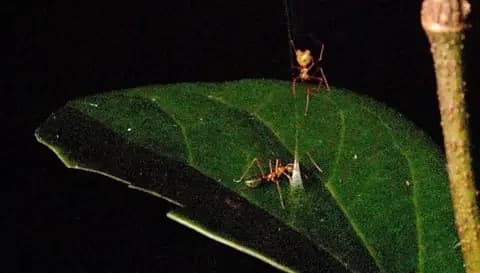
While Europe battles the elements, a significant biological breakthrough has emerged from the rainforests of northern Australia. Researchers from Macquarie University have documented a new spider species, nicknamed the 'ballista,' belonging to the genus Propostira. This spider has evolved a unique hunting mechanism: a catapult-like silk trap designed specifically to capture aggressive green tree ants. By using high-speed cameras, scientists observed the trap launching prey into the web with extreme g-forces. This discovery is particularly notable as it represents the only known instance of a spider tailoring its web to trigger a specific response from a single prey species, showcasing a remarkable evolutionary adaptation to the ants' natural defenses.
As Europe looks toward the weekend for anticipated relief through falling temperatures and potential thunderstorms, the dual stories of environmental extremity and scientific discovery highlight the complexity of the natural world. While meteorological shifts continue to challenge national infrastructures and public health in the Northern Hemisphere, the discovery of the 'ballista' spider in the Southern Hemisphere serves as a reminder of the vast, often unseen biological innovations occurring within global ecosystems. Both events underscore the ongoing need for rigorous scientific monitoring to understand and adapt to a rapidly changing planet.