••
French Authorities Investigate Potential Sabotage After Normandy Train Derailment Injures 44
•2 min read•8 sources
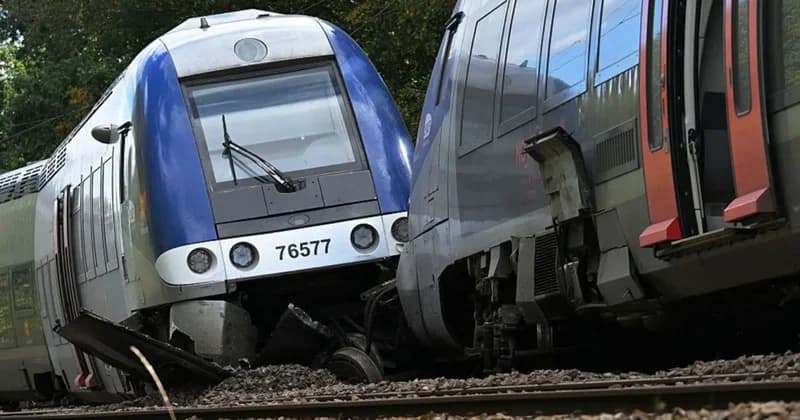
French authorities have launched a major investigation into possible sabotage following the derailment of a regional passenger train in Normandy on Friday evening. The incident occurred near Cléon at approximately 20:00 local time as the train, carrying 186 passengers, was traveling between Rouen and Caen. At least 44 people were injured in the crash, which has raised immediate alarms regarding the security of the nation's rail infrastructure.
The derailment prompted a massive emergency response, with 140 firefighters and numerous medical personnel deployed to the scene. Transport Minister Philippe Tabarot confirmed the scale of the operation as responders worked to treat the victims and evacuate the site. Among the casualties, an 18-year-old woman sustained critical trauma and was airlifted to a hospital in Rouen; officials later confirmed that while her injuries were severe, her condition has since stabilized. Eyewitnesses described a harrowing scene of shattering glass and overturning carriages as the train left the tracks.
Central to the ongoing investigation is the discovery of foreign debris on the tracks, specifically a piece of rail that investigators believe may have been intentionally placed to cause the accident. The French National Police are currently analyzing the train’s black box data and have secured the site for forensic examination. Preliminary reports indicate that the train driver tested negative for both alcohol and drugs, shifting the investigative focus further toward external interference and intentional tampering.
This incident has reignited concerns over rail safety and security across Europe, echoing memories of previous fatal rail disasters on the continent. In the immediate aftermath, rail traffic in the affected region has been suspended to allow for thorough safety checks and the completion of the scene investigation. As French authorities continue their probe, the event serves as a stark reminder of the vulnerabilities inherent in public transportation networks and the ongoing challenge of protecting critical infrastructure from potential acts of malice.