••
Forbidden City: How China’s Imperial Legacy Drives a Modern Multi-Million Dollar Tourism Economy
•2 min read•7 sources
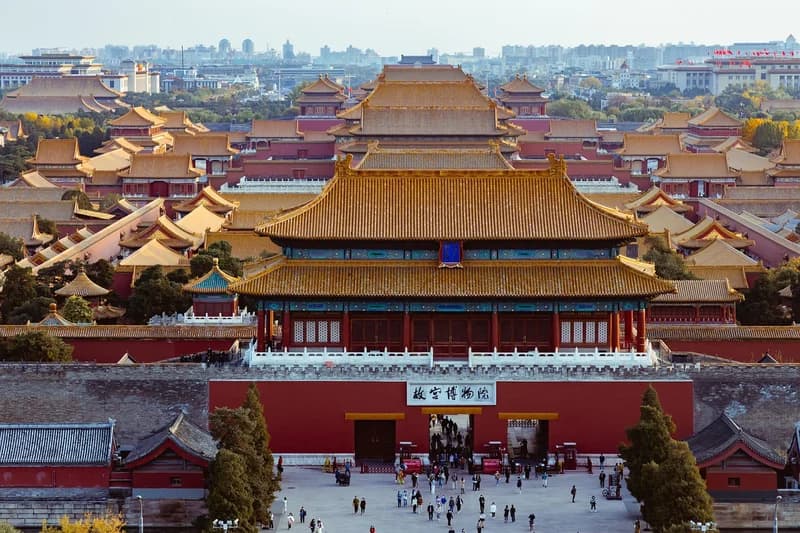
The Forbidden City in Beijing, once an exclusive sanctuary reserved solely for Chinese emperors and their inner circles, has successfully transitioned from a symbol of imperial isolation into a premier global economic asset. Serving as the political and ceremonial heart of China from 1420 until the end of the Qing Dynasty in 1912, the complex is now a cornerstone of the nation’s modern tourism sector. As a UNESCO World Heritage Site, it represents a masterclass in how a nation can leverage cultural heritage to fuel contemporary economic growth while maintaining historical integrity.
Architecturally, the Forbidden City remains a marvel of the 15th century, featuring a vast network of halls and administrative buildings. The site notoriously boasts 9,999 rooms, a number meticulously chosen to symbolize supreme authority and cosmic order. This grandeur, which once enforced the absolute power of the emperor, now serves as the primary draw for millions of international and domestic travelers. The transformation of these halls from private residences into public museums has created a massive influx of visitors, with peak days seeing up to 80,000 people passing through its gates.
Beyond its historical value, the Forbidden City acts as a powerful economic engine for Beijing and the wider region. The high volume of foot traffic supports a robust ecosystem of local businesses, including high-end hotels, transportation services, and the hospitality sector. By integrating cultural education with commercial viability, the site generates significant tourism revenue that contributes to the maintenance of the heritage site itself and stimulates the surrounding urban economy. Its global prominence is further cemented by its role as a mandatory stop for visiting world leaders, reinforcing China’s soft power and diplomatic prestige.
The evolution of the Forbidden City serves as a vital case study for nations seeking to balance heritage preservation with economic development. It demonstrates that historical sites do not have to be stagnant relics of the past; instead, they can be repurposed as dynamic contributors to a country’s GDP. For developing tourism markets, the Forbidden City stands as a model of how architectural brilliance and rich history can be curated into a sustainable, multi-faceted economic engine that educates the public while driving modern commercial success.
This story touches markets covered on Anansi Intelligence ↗.
Live rates
Dollar to cedi rate →More from business
Continue exploring similar stories


