••
Flydubai Flight Diverted to Saudi Arabia After Omani Co-Pilot Attempts to Stab Captain in Mid-Air Struggle
•2 min read•16 sources
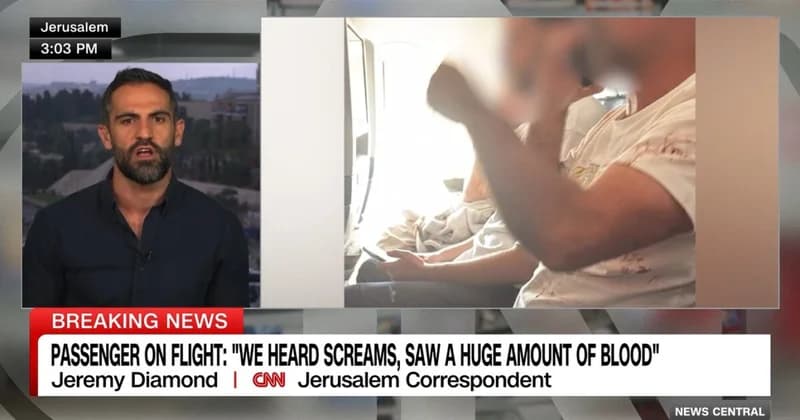
A Flydubai flight from Dubai to Tel Aviv was forced to make a dramatic emergency landing in Tabuk, Saudi Arabia, following a violent security breach in the cockpit that nearly resulted in a catastrophic crash. Approximately two hours into Flight FZ1073, a physical altercation erupted between the pilots when the co-pilot, an Omani national, allegedly attempted to stab the captain with a knife. The mid-air struggle resulted in both the captain and first officer sustaining injuries and caused the Boeing 737, which was carrying about 150 passengers, to plummet 17,000 feet in less than two minutes. The aircraft initially broadcasted a general emergency signal before briefly switching to a hijacking code, sparking immediate alarm across regional aviation and security networks. Witness accounts from the flight described a scene of absolute terror as screams echoed from the front of the cabin and the plane began its rapid, uncontrolled descent. Several passengers and crew members reportedly displayed immense bravery by intervening to assist in subduing the attacker after the cockpit door was breached during the struggle. Despite the chaos and the terrifying drop in altitude, the flight managed to land safely at Prince Sultan bin Abdulaziz International Airport in Tabuk. Both pilots were immediately transported to a local hospital for treatment. In the aftermath, a recovery flight was dispatched to retrieve the stranded passengers, many of whom were Israeli nationals, although some travelers expressed reluctance to continue their journey on any non-Israeli airline following the trauma. The incident has triggered a high-level investigation by Israeli security agencies, including the Shin Bet and Mossad, who are treating the event as a potential terrorist attack or hijacking attempt. Israeli Prime Minister Benjamin Netanyahu has been briefed and is reportedly monitoring the situation closely as diplomatic efforts coordinate the safe return of the passengers. The involvement of an Omani national has raised significant questions regarding security clearance and vetting protocols, particularly given the lack of formal diplomatic relations between Oman and Israel. This unprecedented breach highlights the fragile security landscape of Middle Eastern aviation and has led to urgent calls for a comprehensive review of cockpit safety measures and international pilot screening processes.