••
FIFA World Cup Faces Identity Shifts, Expansion Debates, and Administrative Controversies
•3 min read•6 sources
The FIFA World Cup has increasingly become a reflection of a globalized world, transcending sport to tell stories of migration, heritage, and identity. Modern national teams, such as those of France and Morocco, exemplify a 'new geography of belonging' where players represent nations based on ancestry and emotional bonds rather than simply their place of birth. This shift reflects broader global trends, illustrating that national identity is an evolving narrative shaped by personal conviction. Fans across the globe now celebrate a more complex version of belonging, where diversity enriches the tournament and fosters a shared human experience that connects different cultures through a singular global narrative.
However, this spirit of inclusivity and expansion is currently a point of contention within football’s leadership. Thirteen nations, including Cape Verde, Curacao, and Uzbekistan, recently issued a collective rebuttal to comments made by UEFA President Aleksander Ceferin. Ceferin had characterized the expanded tournament format as leading to 'uninteresting' matches. The responding football associations firmly rejected this view, stating that every World Cup match holds significant meaning for their nations, representing hard-won historic achievements and immense community pride. They emphasized that the tournament's value lies in universal participation and the merit of every nation that qualifies.
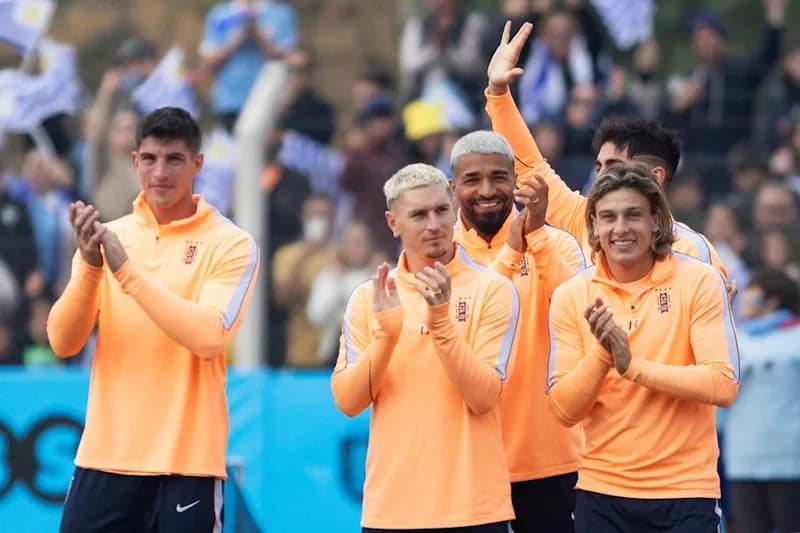
Beyond ideological debates, FIFA is also managing immediate controversies involving officiating and logistics. The governing body is seeking a formal explanation from VAR official Shaun Evans regarding a hand gesture made during pre-match coverage of Germany’s 7-1 win over Curacao. Evans was seen making an upside-down 'OK' sign, a gesture the anti-discrimination network Fare notes has been co-opted by far-right circles. In response to the backlash on social media, FIFA has adjusted its broadcast protocols to show officials facing monitors rather than cameras. Simultaneously, administrative hurdles have impacted team preparations, with Uruguay facing significant travel delays ahead of their World Cup 2026 match against Saudi Arabia. FIFA attributed the 'travel chaos' to an airline error regarding flight permits, which left the team stranded in Cancun and sparked frustration from the Uruguayan Football Association.
These interconnected issues—ranging from the philosophical nature of national identity to the practicalities of travel and the integrity of officiating—highlight the immense complexity of managing the world’s premier sporting event. As FIFA prepares for its next expanded edition, the organization must navigate the delicate balance between elite commercial interests and the inclusive, multicultural spirit that defines the modern game. These developments suggest that the future of the World Cup will be defined as much by its off-pitch administrative and social standards as by the action on the field.
This story touches markets covered on Anansi Intelligence ↗.
More from sports
Continue exploring similar stories


