••
FIFA Rescinds World Cup Water Bottle Ban Following Backlash Over Heat Safety Concerns
•2 min read•8 sources
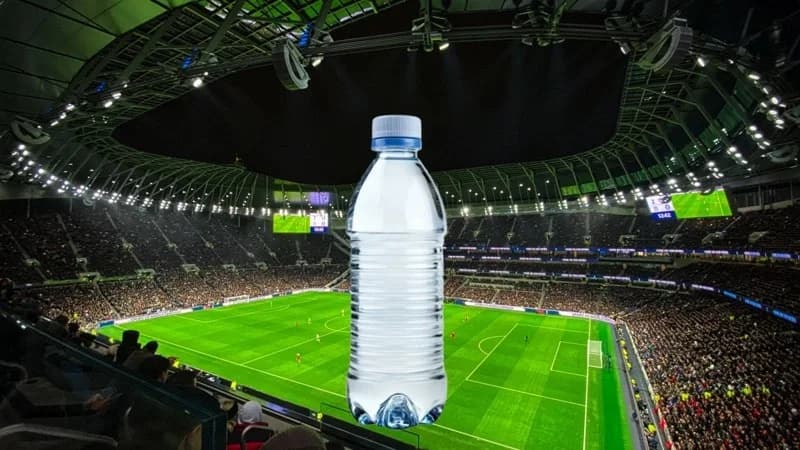
FIFA has officially reversed its controversial policy prohibiting World Cup spectators from bringing water bottles into stadiums, responding to a groundswell of criticism from fans and international political figures. Under the revised guidelines, fans attending matches in the United States and Canada will now be permitted to carry one factory-sealed disposable plastic bottle of up to 20 ounces. The decision comes as organizers brace for extreme summer temperatures, with many match locations expected to see heat levels exceeding 90°F, posing a significant risk to public health during the tournament. The initial ban, which prohibited nearly all outside hydration containers, was heavily criticized as a profit-driven move intended to force spectators toward high-priced concession stands and corporate sponsors. While FIFA originally cited safety and security concerns to justify the restrictions, public health advocates and leaders—including UK Prime Minister Keir Starmer and New York officials—argued that the policy prioritized commercial interests over fan welfare. Critics noted that the cost of stadium water could become a prohibitive barrier, especially given the already high price of tickets and travel for the global tournament. Despite the reversal, the new policy maintains several restrictions. Hard-sided reusable containers remain banned from venues, and the allowance for disposable bottles is strictly limited to one per person. This partial concession has led to ongoing scrutiny regarding whether these measures are sufficient to protect the thousands of fans traveling from regions with systemic economic challenges, such as Africa. For many African supporters, the additional financial burden of expensive stadium amenities, combined with rigorous visa requirements and travel costs, makes affordable hydration a necessity rather than a luxury. As the tournament approaches, logistical questions remain, particularly regarding the consistency of these rules across all host nations. While the updated regulations are confirmed for venues in the U.S. and Canada, FIFA has yet to clarify whether the same provisions will apply to stadiums in Mexico. This lack of clarity has left many fans uncertain about what to expect on match days in Mexican host cities. Moving forward, the effectiveness of local infrastructure and FIFA’s hydration strategies will be under the spotlight as the organization attempts to balance venue security with the fundamental health requirements of a global audience during a period of record-breaking heat.
This story touches markets covered on Anansi Intelligence ↗.
More from sports
Continue exploring similar stories


