••
FBI Security Breach: ShinyHunters Claim Theft of Medical Data for 60,000 Special Agents
•2 min read•1 source
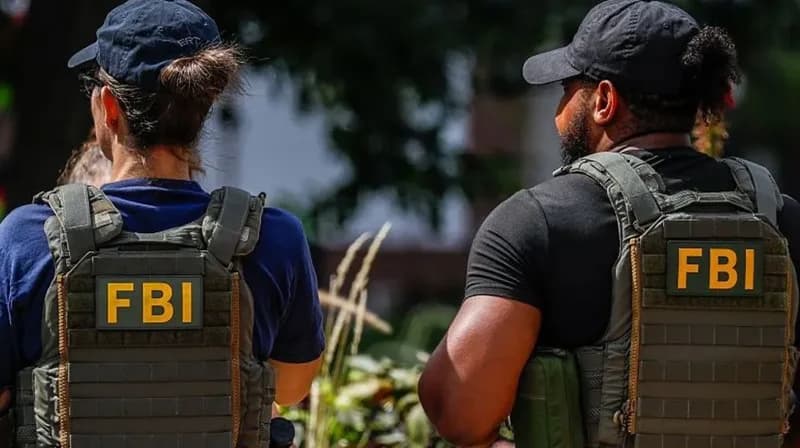
The Federal Bureau of Investigation (FBI) is currently investigating a significant data breach after the cyber-criminal collective known as ShinyHunters claimed responsibility for infiltrating the agency’s systems and stealing sensitive medical records. The breach reportedly affects approximately 60,000 current and former staff members, including special agents. This intrusion is particularly invasive, as it includes highly personal information such as the results of blood and urine tests, alongside specific medical concerns and health histories of law enforcement personnel. The scale of the leak poses an unprecedented threat to the privacy of those tasked with national security. Beyond clinical data, the stolen records include names and home addresses, presenting a severe security risk to the affected individuals. Cybersecurity experts warn that the combination of personal and medical information provides fertile ground for identity fraud, targeted physical attacks, or sophisticated blackmail schemes against federal agents. Interestingly, the hackers have reportedly not requested a traditional financial ransom. Instead, ShinyHunters is seeking a formal retraction of a previous advisory issued by the FBI, suggesting the hack may be a retaliatory measure intended to undermine the agency's authority or public standing. The long-term ramifications of this leak are uniquely damaging due to the nature of the data involved. Experts emphasize that while digital credentials like passwords can be changed, medical history is permanent and cannot be "reset" following a compromise. This makes the stolen information a lifetime liability for the agents involved, potentially complicating future undercover assignments or security clearances. As the FBI continues its investigation, the incident serves as a stark reminder of the evolving threats posed by sophisticated hacker groups and the critical need for more robust protection of the most private data of government personnel.