••
Fatima Ezzahra El Mansouri Makes History as Morocco's First Female Prime Minister Amid Global Shifts in Housing and Tech Policy
•3 min read•10 sources
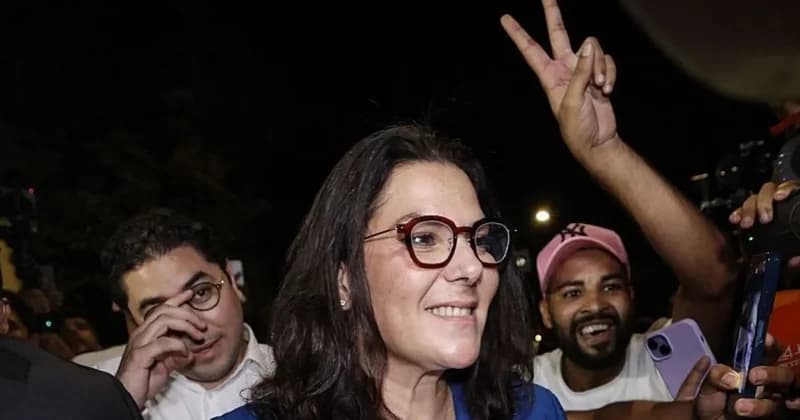
In a landmark political development for the Arab world, King Mohammed VI of Morocco has appointed Fatima Ezzahra El Mansouri as the country’s first female Prime Minister. The 50-year-old leader of the centre-right Authenticity and Modernity Party (PAM) secured the position after her party won 97 out of 395 seats in the recent parliamentary elections. A former Mayor of Marrakesh and experienced minister, El Mansouri now faces the immediate challenge of negotiating a coalition government, as her party fell short of an absolute majority. Her administration is expected to focus on pressing economic challenges and social reforms, while also overseeing preparations for Morocco’s role as a co-host of the 2030 FIFA World Cup. Despite her historic rise, observers note her cautious approach toward public debates on women’s rights in a traditionally male-dominated political landscape.
While Morocco reshapes its leadership, Spain is undergoing a significant shift in domestic policy following nationwide protests sparked by the eviction of an 87-year-old woman in Madrid. Spain’s coalition government has proposed a sweeping ban on evictions until 2030 and a mandatory rollover of rental contracts until 2028. Health Minister M3nica Garc1a emphasized that these measures, which also include stricter regulations on short-term holiday rentals, are intended to protect over five million vulnerable citizens. However, the proposal faces a difficult path through Congress, where the government lacks a clear majority and opposition parties have raised concerns about the impact on small-scale landlords.
On the international security front, maritime and technological boundaries are being redrawn. In Ghana, Danish Ambassador Jakob Linulf celebrated the 10th anniversary of the Danish Maritime Security Programme, urging regional partners to sustain gains made in the Gulf of Guinea. While piracy has significantly declined over the past decade thanks to the training of over 1,000 security personnel, Linulf warned that overfishing, smuggling, and marine pollution remain critical threats that require tailored, local solutions. His call for vigilance comes as Ghana prepares for new port investments that will necessitate enhanced security infrastructure to protect economic interests.
Simultaneously, the global race for technological supremacy has seen the United States take a hardline stance against collaborative innovation. Citing national security risks, the U.S. administration has officially ruled out joint artificial intelligence ventures with China. President Trump framed the decision as essential for protecting American technological advantages, dismissing public anxiety over AI safety as politically motivated. While the administration plans to appoint an oversight official and potentially rename federal AI initiatives to “Super Intelligence,” the move signals an era of increased tech-protectionism. Together, these developments across Morocco, Spain, and the U.S. reflect a global political climate increasingly defined by social protections, national security, and historic leadership transitions.
