••
Afrobeats Identity in the Spotlight: From Fat Joe’s Origin Claims to Burna Boy’s Confidence Defense
•3 min read•10 sources
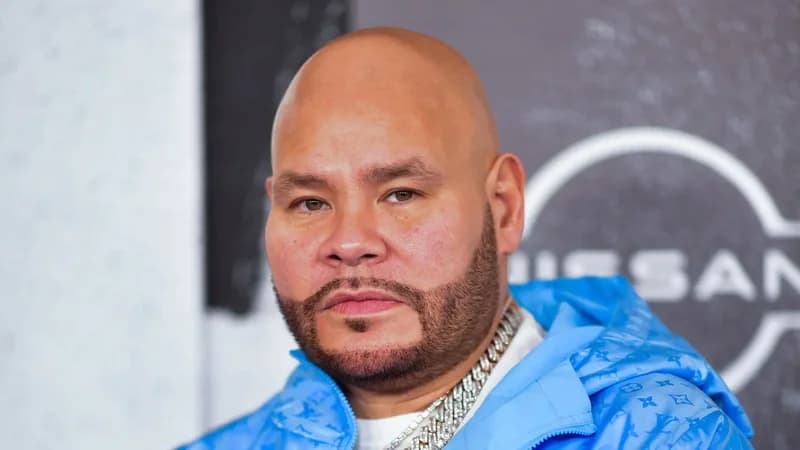
The global Afrobeats movement is currently at the center of a heated debate regarding its origins and the personal branding of its biggest stars. American rapper Fat Joe recently sparked widespread controversy during an appearance on the 'Joe And Jada' podcast, where he claimed that Jamaica was the true birthplace of Afrobeats. Despite the genre's well-documented roots in West Africa—pioneered by Nigerian legend Fela Anikulapo-Kuti—Fat Joe asserted that the sound originated in the Caribbean. Jamaican dancehall icon Buju Banton, who was a guest on the episode, did not correct the statement, instead shifting the conversation to the influence of reggaeton. Banton has previously been a vocal critic of the genre, suggesting that Afrobeats lacks substance and fails to properly credit its Jamaican reggae and dancehall influences.
In a related industry revelation, Fat Joe also disclosed that he and others in the music industry 'bullied' Nigerian singer BNXN into changing his stage name from his original moniker, Buju. The pressure stemmed from a perceived lack of respect toward Buju Banton, with Fat Joe emphasizing that the name should belongs solely to the Jamaican legend. BNXN, who has since transitioned to his current name to avoid copyright complications and industry friction, represents a broader tension between Nigerian artists and the international icons who influenced them. This incident highlights the gatekeeping and naming politics that Nigerian artists often navigate as they expand into Western markets.
Closer to home, the narrative of West African artists asserting their worth continues with Bose Ogulu, the mother and manager of Grammy-winner Burna Boy. Ogulu recently rose to her son's defense following intense social media backlash over his behavior at a Lagos club, where he was involved in an altercation with Wizkid’s associate, DJ Tunez. Addressing accusations that her son is 'arrogant,' Ogulu stated in an interview with Ebuka Obi-Uchendu that she views such confidence as a positive trait. She argued that what the public labels as arrogance is simply a clear understanding of one’s self-worth, particularly for individuals who face societal prejudices based on race, nationality, and gender.
These collective stories reflect a pivotal moment for Afrobeats as it dominates the global stage. From defending the genre's historical lineage against international misconceptions to individual artists and their families standing firm on their identity and reputation, the industry is seeing a shift toward more assertive self-representation. As Nigerian music continues to influence global charts, these debates over origins, names, and personal conduct underscore the complexities of cultural ownership and the high stakes of maintaining a legacy in the modern music industry.
This story touches markets covered on Anansi Intelligence ↗.
More from entertainment
Continue exploring similar stories


