••
Researcher Nana Benyin Essel-Biney Launches Ndua Analytics AI to Help Ghanaian Farmers Combat Crop Threats
•2 min read•2 sources
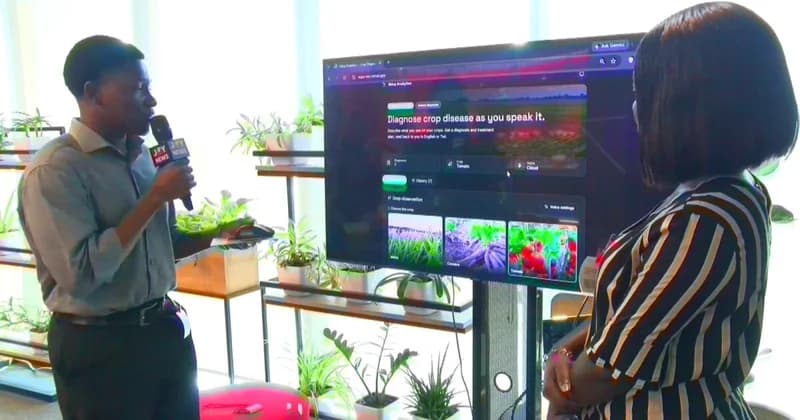
Ghanaian researcher Nana Benyin Eboe Nyamekye Essel-Biney has introduced Ndua Analytics, an innovative artificial intelligence platform designed to empower local farmers in the fight against crop pests and diseases. Unlike many existing digital tools that require high-resolution image uploads, this system allows farmers to describe visible symptoms—such as yellow spots on tomato leaves or wilting—directly into the platform. The AI then analyzes these field observations to provide an immediate diagnosis and specific treatment recommendations, making sophisticated agricultural technology accessible to those without advanced technical equipment.
A central feature of Ndua Analytics is its commitment to inclusivity and ease of use. By bypassing the need for photography, the tool accommodates farmers with basic mobile devices and limited data connectivity. Furthermore, the platform integrates local language support and translation, ensuring that diagnostic information is understandable to a broad demographic of users. The project is currently being piloted on three of Ghana’s most vital crops—maize, cassava, and tomatoes—providing tailored advice to help stabilize yields and prevent localized outbreaks from spreading.
The deployment of this AI tool comes at a critical juncture for Ghanaian agriculture, as changing weather patterns increasingly disrupt pest behavior and traditional farming cycles. Meteorologist Professor Benjamin Lamptey has highlighted the importance of such innovations, emphasizing that strong collaboration between researchers and farmers is essential to building agricultural resilience. By enabling timely interventions through data-driven insights, Ndua Analytics helps farmers adapt to unpredictable environmental shifts that might otherwise threaten their livelihoods.
Looking forward, the developers of Ndua Analytics plan to expand the platform's reach by adding support for more local languages and a wider variety of crops. As the pilot program continues to gather data and refine its diagnostic accuracy, the project stands as a significant step toward enhancing food security in Ghana. By bridging the gap between high-level artificial intelligence and the practical needs of smallholder farmers, the initiative demonstrates how homegrown technology can solve unique local challenges.

