••
EPCG, Zonta Club, and Philanthropists Drive New Educational Support Initiatives Across Ghana
•3 min read•10 sources
A wave of community-led and religious initiatives is reshaping educational support across Ghana, as various organizations launch funds and donation drives to assist needy students and enhance learning environments. Leading these efforts, the Presbyters Union of the Evangelical Presbyterian Church, Ghana (EPCG) has officially launched a National Disaster Relief Fund. Conceived two years ago and approved by the church’s highest decision-making body, the fund is specifically designed to provide scholarships for brilliant but needy students, support vulnerable members, and offer relief to disaster victims. This initiative is primarily financed through monthly contributions from presbyters, with an initial seed capital target of GH¢20,000.
The EPCG’s commitment has already yielded tangible results, including a GH¢10,000 donation to Saboba Senior High School in the Northern Region. Dr. Anthony Astu, the National President of the Union, emphasized that while the fund currently prioritizes church members and students in northern Ghana, there are long-term plans to extend this support to the broader society. Rev. Vincent Dagadu noted that the fund represents a significant milestone for the Union, succeeding where previous endowment efforts had failed. The initiative aims to create a sustainable financial backbone for educational infrastructure and student welfare that will benefit future generations.
In the Eastern Region, award-winning filmmaker Big Ghun has advanced his humanitarian mission through the second edition of the "Bigg Save Project." On July 10, 2026, the project reached Makye Israel School in Odumase-Krobo, delivering vital educational resources including laptops, an Apple desktop, and various books. This outreach, which followed a previous school repainting project, was largely made possible through public contributions following an intensive social media appeal. The event saw a high turnout of celebrities and volunteers, highlighting a growing trend of using digital platforms to mobilize community resources for grassroots educational improvement.
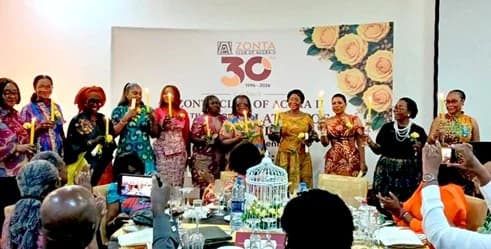
Parallel to these efforts, the Zonta Club of Accra II has ushered in a new leadership team for the 2026-2028 biennium, led by President Nana Eduwaa Appiah. The club’s renewed strategy focuses heavily on women’s empowerment through education, with plans to expand its Girls Fellowship Programme and establish new reading clubs and libraries. During the installation ceremony, advocate Dorcas Coker-Appiah stressed the importance of the Affirmative Action Act in breaking cultural barriers, while the outgoing president, Merley Wood, highlighted the club's ongoing commitment to improving the welfare of girls through structured educational advocacy.
Furthermore, religious leaders in the Eastern Region are calling for more systemic changes to the educational landscape. At a recent conference, Municipal and District Chief Imams appealed to the government for the establishment of STEM and TVET schools within Muslim communities, noting that land has already been secured for such projects. They also advocated for dedicated scholarships for needy Muslim students and the inclusion of more Muslim teachers in Senior High Schools. Collectively, these diverse initiatives from the EPCG, Zonta Club, and local philanthropists underscore a critical shift toward localized, proactive solutions to Ghana’s educational challenges, emphasizing that community participation is essential for sustainable national development.
This story touches markets covered on Anansi Intelligence ↗.
More from education
Continue exploring similar stories


