••
Ghana Faces Dual Sanitation Challenges as EPA Backs Polystyrene Ban Amidst Ho Public Toilet Crisis
•2 min read•2 sources
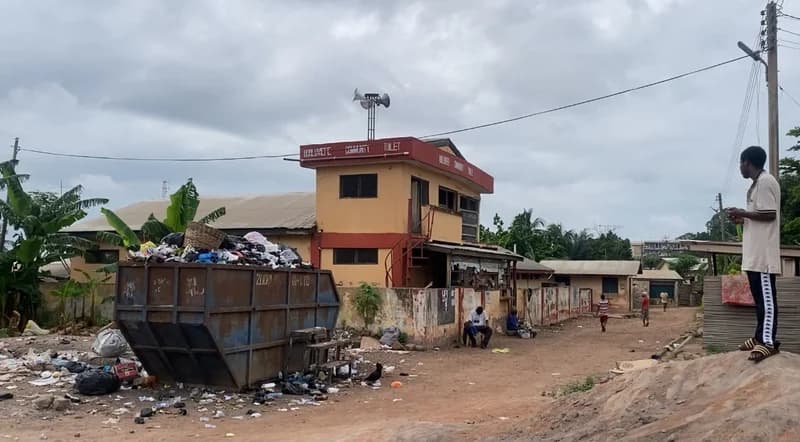
Ghana is currently navigating a complex public health and environmental landscape as national policy shifts on plastic waste coincide with localized infrastructure failures. While the Environmental Protection Authority (EPA) champions a significant ban on polystyrene to mitigate urban flooding, residents in the Ho Municipality are grappling with a hygiene crisis triggered by the widespread closure of public toilets. Together, these issues highlight the urgent need for a cohesive approach to sanitation and waste management across the country to protect citizens from disease and environmental degradation.
Dr. Patrick Essien, Deputy Director of the Mining Department at the EPA, has strongly endorsed the government’s ban on polystyrene, citing its devastating role in Ghana's drainage crisis. Polystyrene, commonly known as Styrofoam, is non-biodegradable and frequently clogs urban drainage systems, particularly in cities like Accra, leading to severe flooding during rainy seasons. Dr. Essien emphasized that because Ghana lacks effective recycling systems for these materials, the ban is a necessary step to promote innovation in environmentally friendly packaging alternatives and reduce the long-term environmental burden.
Simultaneously, the Ho Municipality faces a more immediate threat to public hygiene as critical sanitation facilities remain shuttered. The closure of several public toilets, including the prominent Ghana@50 facility, has left both residents and travelers with few options, raising fears of an outbreak of waterborne diseases. Assembly Member Safadzi Agama has been vocal about the frustration on the ground, pointing out that developing areas in the municipality are severely underserved, making the maintenance of existing facilities a non-negotiable priority for local health standards.
Addressing these challenges requires a dual focus on infrastructure investment and policy enforcement. Municipal Chief Executive Stephen Adom has acknowledged the maintenance hurdles in Ho, assuring the public that efforts to secure funding for repairs and reopening are underway. On a national scale, the EPA's stance suggests a move toward a greener economy, but the success of such policies depends on the availability of affordable alternatives for vendors and consumers. As Ghana seeks to improve its public health outcomes, bridging the gap between national environmental goals and local sanitation needs remains the primary hurdle for policymakers.
This story touches markets covered on Anansi Intelligence ↗.
More from health
Continue exploring similar stories


