••
Elon Musk Achieves Trillionaire Status Following Historic $75 Billion SpaceX IPO
•2 min read•7 sources
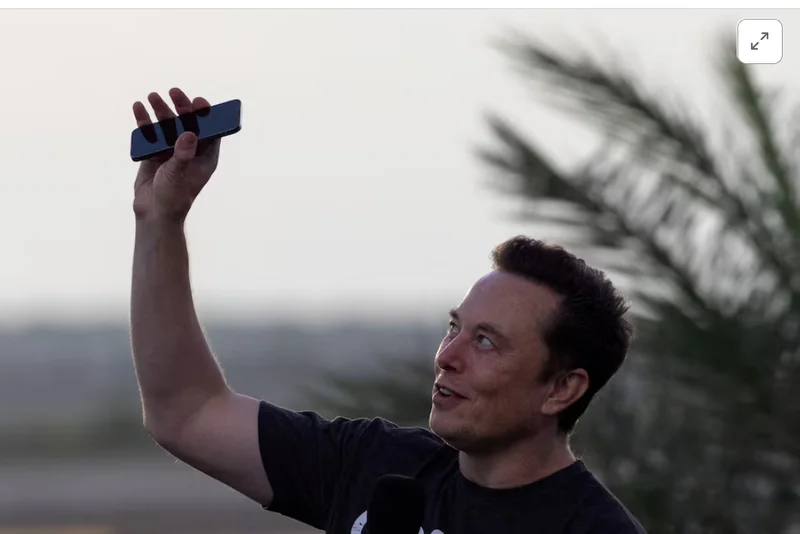
Elon Musk has achieved an unprecedented financial milestone, becoming the world's first trillionaire following the record-breaking public debut of his aerospace company, SpaceX. The historic Initial Public Offering (IPO) raised approximately $75 billion, valuing the space exploration giant at nearly $1.8 trillion. This surge in valuation has propelled Musk’s personal net worth beyond the $1 trillion mark, cementing his status as a singular force in modern industry and finance. While initial estimates of his wealth varied prior to the stock’s official trading—with figures around $780 billion—the post-IPO trajectory of SpaceX shares has firmly pushed him into trillionaire territory. The IPO attracted intense investor interest, with shares priced at approximately $135 each via an auction on the Nasdaq index. Despite the company transitioning to a public entity, Musk has strategically retained immense personal control, holding roughly 40% of the company's equity and maintaining over 84% of the voting power. This dominance ensures that his long-term vision, centered on establishing human settlements beyond Earth, remains the driving force behind SpaceX. Financial analysts note that the successful listing serves as a significant benchmark for high-valuation technology firms and reflects a robust confidence in the future of space exploration and satellite-based communication. Beyond SpaceX, Musk’s wealth and influence are deeply rooted in a portfolio often referred to as the 'Muskonomy.' This includes his leadership of Tesla, which revolutionized the electric vehicle industry, and innovative ventures such as Neuralink and The Boring Company. Investors often speak of an 'Elon premium,' suggesting that Musk’s personal brand and reputation for disruptive innovation drive inflated market valuations. However, this concentration of power has also invited scrutiny regarding corporate governance and the ethical implications of such vast individual wealth. Critics point to his vocal political interventions and 'no-filter' communication style as potential risks to the stability of his various enterprises. As Musk navigates this new era of wealth, the broader implications continue to spark global debate. While supporters view him as a visionary genius pushing the boundaries of human ingenuity, others raise concerns regarding wealth inequality and the influence of private citizens on public policy. Regardless of the controversy, the SpaceX IPO marks a turning point in the commercialization of space. With the capital raised, the company is poised to accelerate its ambitious technologies, potentially reshaping the future of human civilization while further entrenching Musk’s role as the most influential figure in modern business.
This story touches markets covered on Anansi Intelligence ↗.
More from business
Continue exploring similar stories


