••
Dr. Ellen Ohene-Afoakwa Elected CIB President as Ghana's Financial Sector Sees Leadership Shifts and Operational Revitalization
•3 min read•10 sources
Ghana’s financial landscape is undergoing a period of significant transition and modernization, marked by high-level leadership appointments and strategic investments in operational infrastructure. The Chartered Institute of Bankers (CIB) Ghana has elected Dr. Ellen Ohene-Afoakwa as its new president for a two-year term. Currently the Managing Executive for Corporate and Investment Banking at Absa Bank Ghana, Dr. Ohene-Afoakwa succeeds the previous leadership with a clear mandate to prioritize education, skills development, and staff welfare. This change comes as the institute reports a robust financial performance, with revenues surging by 33% to GH¢18.82 million and an operational surplus increase of 36%, reflecting strong management within the banking profession's regulatory body.
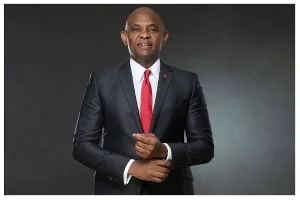
Simultaneously, United Bank for Africa (UBA) Plc has announced that its Group Chairman, Tony Elumelu, will step down on August 21, 2026. This move follows the completion of his maximum 12-year tenure as a non-executive director, in strict adherence to Central Bank of Nigeria guidelines. Elumelu, a towering figure in African finance and entrepreneurship, will be succeeded by Emmanuel N. Nnorom, a current Non-Executive Director. This planned succession highlights a commitment to corporate governance and regulatory compliance within the regional banking giant, ensuring a stable transition for one of the continent's most influential financial institutions.
On the operational front, the National Investment Bank (NIB) PLC has taken a decisive step toward its "transformation agenda" by commissioning a fleet of 17 new operational vehicles. The fleet, which includes 10 Toyota Corolla saloon cars, five Nissan vehicles, and two Toyota Fortuner 4x4s, represents the bank's first major vehicle procurement since 2016. CEO Dr. Doli-Wura Awushi Abdul-Malik Seidu Zakaria emphasized that these assets are critical for improving staff mobility and customer engagement. By modernizing its logistics, NIB aims to enhance its competitiveness and restore public confidence, signaling a move away from past operational constraints toward a more responsive service delivery model.
Furthering the theme of inclusive growth, Ecobank Ghana is intensifying its efforts to bridge the financing gap for women entrepreneurs through its Ellevate Programme. With women-led SMEs in Sub-Saharan Africa facing a financing deficit estimated at over $42 billion, Ecobank's initiative provides essential training and collateral-free loans of up to $50,000. To date, the program has onboarded over 13,000 customers, providing a vital lifeline to a demographic that has historically been underserved by formal financial institutions. These collective developments—from CIB’s financial growth to Ecobank’s targeted SME support—underscore a broader trend of revitalization and structural strengthening across Ghana's banking and business sectors.
This story touches markets covered on Anansi Intelligence ↗.
More from business
Continue exploring similar stories


