••
5.6-Magnitude Earthquake Strikes North of Suez, Shaking Cairo and Activating Emergency Protocols
•2 min read•2 sources
A magnitude 5.6 earthquake struck near Suez, Egypt, in the early hours of Monday morning, shaking residents in the capital city of Cairo and surrounding regions. The tremor occurred at approximately 3:00 a.m. local time, with its epicenter located about 38 kilometers north of the strategic port city of Suez. While the seismic activity caused significant alarm across several provinces, preliminary assessments from local authorities suggest that there have been no immediate reports of casualties or major structural damage to infrastructure.
Seismic monitoring agencies provided slightly varying data regarding the intensity and depth of the quake. According to the Egyptian National Research Institute of Astronomy and Geophysics, the earthquake registered a magnitude of 5.6. However, the German Research Centre for Geosciences recorded the event at a slightly lower magnitude of 5.4, noting that the tremor originated at a depth of approximately 10 kilometers. Despite these technical discrepancies, the consensus remains that the quake was strong enough to be felt clearly across Cairo, prompting many residents to wake up in distress during the night.
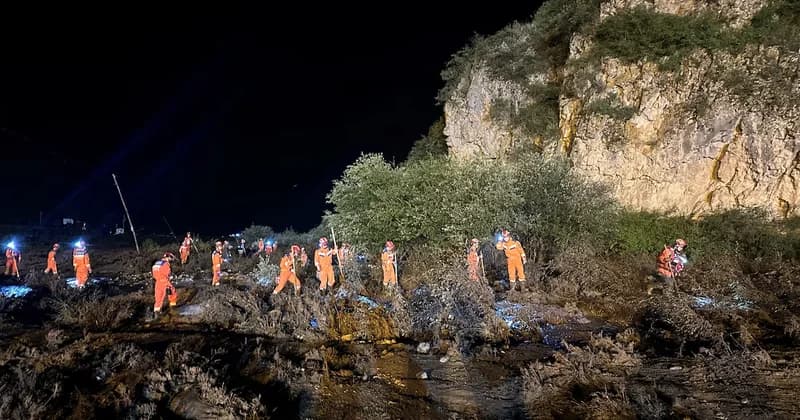
In the immediate aftermath of the tremor, the Egyptian Red Crescent and other emergency services activated their disaster response protocols. Authorities have placed emergency teams on high alert as a precautionary measure to conduct thorough inspections of older buildings and critical infrastructure. The Red Crescent has issued advisories urging citizens to remain calm, avoid entering buildings that may have developed visible cracks, and stay informed through official government channels rather than relying on unverified reports.
While Egypt is not typically known for high-frequency seismic activity compared to other regions in the Middle East, this event serves as a reminder of the country's vulnerability to occasional tremors. The Suez region, being a vital global maritime hub, remains under close observation to ensure that the Suez Canal's operations are unaffected. As of now, life in the affected areas is expected to return to normal, though geological experts will continue to monitor for any potential aftershocks that might follow the initial strike.