••
Global Security and Governance Strains: From Mediterranean Maritime Attacks to International Sports Boycotts
•2 min read•20 sources
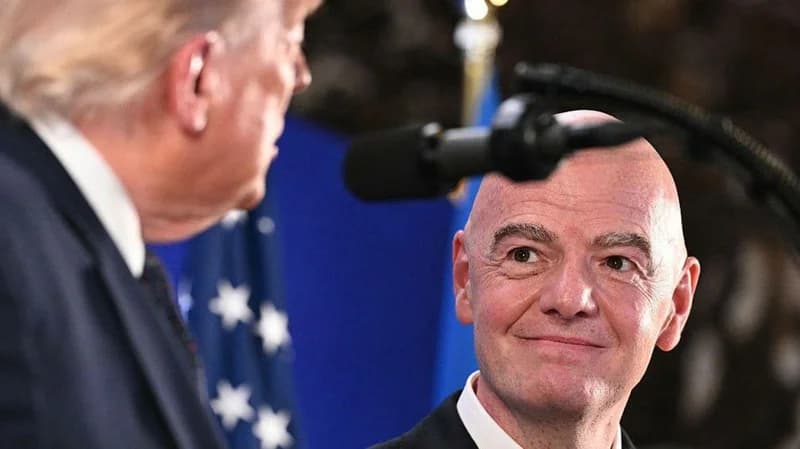
International stability is facing multifaceted challenges as regional conflicts expand and global governance structures come under intense pressure. A significant escalation occurred at Egypt’s Damietta port, where a drone attack ignited fires on the US-owned Energos Winter and the Greek-owned GasLog Salem. While emergency crews successfully contained the blazes without casualties, the incident marks Egypt’s first direct involvement in the broadening US-Iran conflict, which has now reached the Mediterranean. Analysts suggest the strike was a tactical message from Iran, coinciding with intensified US military operations against Iranian-backed positions in the region and joint US-Saudi airstrikes in Iraq. The attack on this vital liquefied natural gas (LNG) hub has raised immediate concerns regarding maritime security and global energy market volatility.
In the United States, the administration is navigating a shift in both technological and economic policy. President Donald Trump has announced plans for increased federal oversight of artificial intelligence (AI) tools, citing cybersecurity breaches at OpenAI and the strategic necessity of remaining competitive against China. This move toward regulation marks a departure from previous hands-off approaches to tech innovation. Simultaneously, the Federal Reserve has held interest rates steady between 3.5% and 3.75%, with Chairman Kevin Warsh citing persistent inflation and Middle East tensions as primary factors for the hold. On the health front, the administration has unfrozen $600 million for Gavi, the global vaccine alliance, following commitments from the organization to transition away from mercury-containing vaccines—a move championed by Health Secretary Robert F. Kennedy Jr. to address safety concerns while maintaining international health engagements.
Governance crises are also manifesting in Europe and the world of international sports. In Spain’s North African territory of Ceuta, a humanitarian emergency has been declared after more than 1,500 migrants arrived by sea from Morocco, overwhelming local reception centers. Meanwhile, the world of football is nearing a historic fracture; UEFA’s 55 member associations have unanimously voted to boycott FIFA competitions, including the World Cup, if President Gianni Infantino proceeds with plans to sell stakes in the tournament to private investors. Critics argue the $4.2 billion venture, titled FIFA Forward Enterprise, undermines the integrity of the sport for commercial gain. These converging crises—from maritime warfare to the potential collapse of international sports cooperation—highlight a period of profound transition and volatility in global political affairs.
This story touches markets covered on Anansi Intelligence ↗.
More from politics
Continue exploring similar stories


