••
ECOWAS Commission Pursues Institutional Reform Through UNDP Gender Equality Seal Review
•2 min read•6 sources
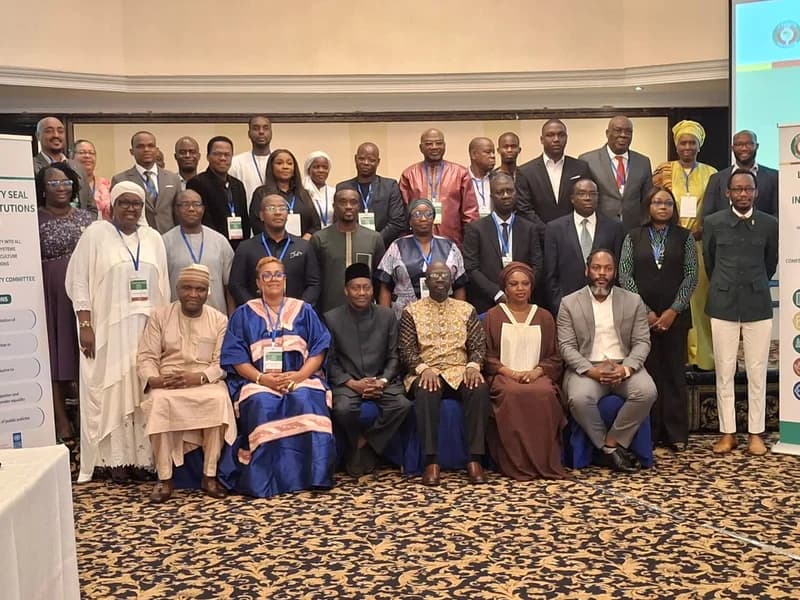
The ECOWAS Commission has launched a comprehensive internal review of its gender equality performance, aiming to strengthen institutional accountability and foster gender-responsive governance across the West African region. This initiative is conducted under the framework of the United Nations Development Programme’s (UNDP) Gender Equality Seal for Public Institutions (GES-PI). By participating in this global program, the Commission seeks to evaluate the depth to which gender equality is integrated into its core policies, operational culture, and decision-making processes, marking a significant step toward regional inclusivity.
The assessment focuses on five critical dimensions of institutional performance: planning and management, staff capacities, the creation of enabling environments, internal and external participation, and the measurable impact of public policies. This rigorous evaluation is designed to identify systemic gaps that have previously hindered the full realization of gender parity within the organization. By identifying these challenges, ECOWAS intends to develop a strategic roadmap for reforms that move beyond theoretical commitments to practical, structural changes within its various departments and directorates.
Currently, a technical working session involving multiple departments is underway to validate evidence and finalize the Commission’s comprehensive report. This document will be submitted to the Global Gender Equality Seal platform, a move that reinforces the Commission’s dedication to transparency and international standards of governance. Key officials participating in the review have emphasized that this is not merely a reporting exercise but a vital step in enhancing the monitoring and evaluation systems necessary to ensure that gender equality remains a central pillar of regional development and institutional efficiency.
Leaders within the ECOWAS Commission have underscored the importance of translating high-level policy commitments into actionable results that affect the lives of citizens across member states. By refining its internal governance through the GES-PI framework, ECOWAS aims to set a precedent for inclusive governance throughout Africa. This reform process is expected to yield a more robust institutional culture where inclusivity is prioritized, ensuring that future regional policies are designed and implemented with a comprehensive and equitable understanding of gender dynamics.
This story touches markets covered on Anansi Intelligence ↗.
More from africa
Continue exploring similar stories


