••
Global Alarm as Congo Ebola Outbreak Hits Record 1,000 Cases; India and US Escalate Response
•2 min read•3 sources
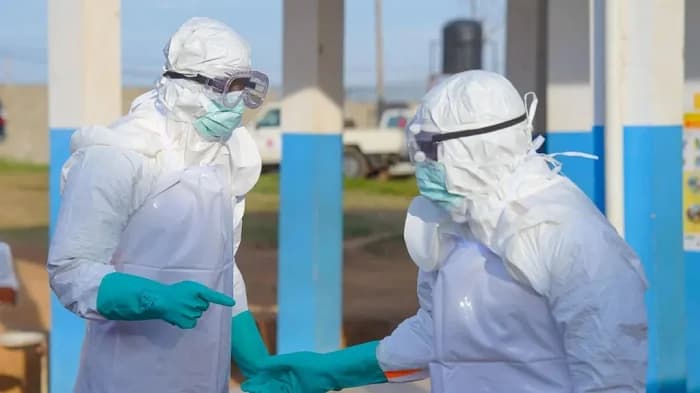
The World Health Organization (WHO) has declared the current Ebola outbreak in the Democratic Republic of Congo (DRC) and Uganda a Public Health Emergency after a record-breaking first month of infections. Since the outbreak was first detected on May 15, 2026, cases have surged to over 1,000 confirmed infections with 267 deaths, marking the highest first-month total in the history of the virus. This rapid escalation, fueled by urban transmission in locations such as Bunia and Mongbwalu as well as the presence of the virus in overcrowded displacement camps, has triggered immediate international action and significant funding requests to contain the spread of the Bundibugyo strain.
In response to the crisis, the White House has requested more than $1.4 billion from Congress to bolster global containment efforts and protect domestic health security. The proposed funding package includes $800 million for establishing a quarantine center in Kenya and managing essential supplies, treatment, and surveillance. An additional $500 million is dedicated to global health security to prevent the virus from reaching the United States, alongside $90 million for diplomatic initiatives. However, this funding request may face legislative challenges due to previous administration cuts to foreign assistance, even as health officials emphasize the urgent need for a serious, well-funded global response.
Simultaneously, India has significantly tightened its borders by launching the upgraded AIR SUVIDHA 2.0 portal, which became active on June 25, 2026. This new system mandates that all international travelers complete an online self-declaration form 24 hours before arrival, allowing health officials to share real-time data and identify at-risk passengers through a contactless screening process at Points of Entry. By bolstering surveillance at airports, India aims to mitigate the risk of domestic transmission while maintaining efficient travel operations amidst the escalating regional threat in Africa.
Despite the alarming statistics, health officials report some positive developments on the ground, including an increase in available Ebola treatment beds and a decline in community resistance toward health responders. However, the situation remains precarious; the International Organization for Migration has already confirmed at least 25 cases within displacement camps, where hygiene and social distancing are exceptionally difficult to maintain. As the international community mobilizes resources, the focus remains on scaling up urban response efforts to prevent this historical outbreak from expanding further across sub-Saharan Africa and beyond.
This story touches markets covered on Anansi Intelligence ↗.
More from health
Continue exploring similar stories


