••
DTI and CNC Lead National Drive for Youth Innovation, Entrepreneurship, and Social Discipline
•3 min read•6 sources
The Design and Technology Institute (DTI) recently hosted its 2026 Students Projects Exhibition in Accra, themed "Creative Minds, Sustainable Solutions." The event showcased innovative prototypes from final-year students designed to address pressing socio-economic and environmental challenges, including plastic waste management, water sanitation, and agricultural efficiency. Supported by partners such as the Mastercard Foundation, the exhibition emphasized the critical need to align Technical and Vocational Education and Training (TVET) curricula with current industry demands. Leadership from the Commission for TVET (CTVET) joined DTI in calling for stronger corporate partnerships to bridge the skills gap and enhance the employability of graduates in an increasingly competitive industrial landscape.
Parallel to these technological advancements, the Centre for National Culture (CNC) has successfully equipped 67 young trainees with essential entrepreneurship and financial literacy skills. Through a seminar featuring experts from CEDECOM and the Consolidated Bank Ghana (CBG), participants were encouraged to transform vocational skills like hair braiding and photography into viable, independent businesses. This focus on financial discipline and professional certification addresses concerns raised by youth advocates Nana Kusi Appiah and Christabel Odonkor. During International Youth Day 2026, these advocates emphasized that while skills are being developed, young Ghanaians still require expanded market access and meaningful leadership platforms to navigate a labor market transitioning from agriculture to services.
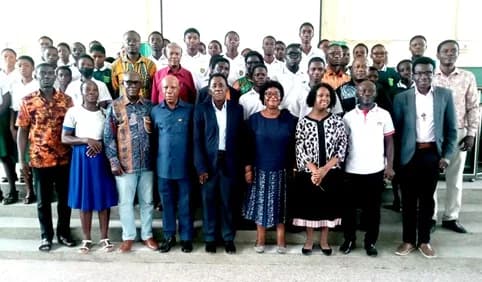
In addition to technical and business training, stakeholders are prioritizing the social and moral development of students to ensure long-term success. The International Prison Chaplains Association (IPCA-Ghana) recently conducted a sensitization program at Odorgonno Senior High School, warning students against the dangers of illicit drugs and violent demonstrations. Rev. Steve Mensah and other IPCA members highlighted the rising crime rates among youth and shared personal insights into the legal consequences of poor choices. By fostering good character and proactive crime prevention, the association aims to protect students from the risks of imprisonment and social marginalization.
To further modernize the educational experience, the African Climate Collaborative (ACC) at the University of Ghana is advancing the development of youth-led climate learning applications. Originating from the Green Race Hackathon 2026, these interactive tools are designed to provide practical climate education beyond traditional classroom methods, with plans for a nationwide rollout across universities. Collectively, these initiatives—from the innovation labs of DTI to the financial seminars of the CNC and the social advocacy of the IPCA—represent a multifaceted approach to youth empowerment in Ghana, focusing on practical skills, ethical conduct, and the creative application of technology to solve national problems.
This story touches markets covered on Anansi Intelligence ↗.
More from education
Continue exploring similar stories


