••
DR Congo Records 896 Ebola Cases as Nigeria Releases Emergency Preparedness Funds to States
•2 min read•3 sources
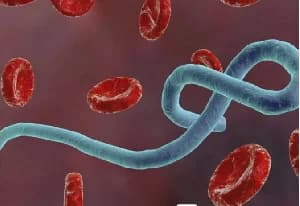
The Democratic Republic of the Congo (DRC) is currently grappling with a significant escalation in its 17th Ebola outbreak, with health authorities reporting a total of 896 confirmed cases and 232 deaths as of June 2023. The outbreak, which was officially declared on May 15, has spread across 33 health zones in three provinces, notably affecting Ituri and North Kivu. Recent data highlights the volatile nature of the situation, with 21 new cases and six deaths recorded in a single update. This current surge is attributed to the Bundibugyo ebolavirus strain, necessitating a rigorous and rapid public health response to contain further transmission.
In the DRC, the scale of the challenge is underscored by the intensive surveillance efforts currently underway. Health officials are monitoring 6,367 individuals who have come into contact with infected patients, warning that the potential for rapid spread remains high if public health measures are not strictly implemented and maintained. The involvement of provinces such as North Kivu, which have historically struggled with the virus, adds a layer of complexity to the containment efforts, as local health systems work to manage the influx of patients while preventing cross-border transmission into neighboring regions.
Recognizing the regional threat posed by the virus, the Nigerian Federal Government has taken proactive steps to safeguard its population and enhance its public health infrastructure. Mr. Ado Bako, the Assistant Director of Information and Public Relations at the Federal Ministry of Health and Social Welfare, announced that the government has approved the release of N21.2 million to each of Nigeria’s states. This funding is specifically earmarked for outbreak investigation and response funds, serving as a critical financial cushion to bolster the country’s preparedness against the Ebola Virus Disease (EVD) and other emerging public health threats.
The allocation of these funds reflects a broader strategy of decentralized preparedness, ensuring that each state has the resources to identify, track, and manage potential cases before they can escalate into a national crisis. By prioritizing early detection and localized response capacities, Nigeria aims to avoid the devastating impacts seen in previous years across the continent. As health authorities in both the DRC and Nigeria navigate these challenges, the situation serves as a stark reminder of the ongoing vulnerability to zoonotic diseases and the necessity of sustained investment in African public health systems to ensure regional security.
This story touches markets covered on Anansi Intelligence ↗.
More from health
Continue exploring similar stories


