••
Think You Can Stars Foundation and Development Bank Ghana Intensify Efforts to Combat Menstrual Stigma and Period Poverty
•3 min read•2 sources
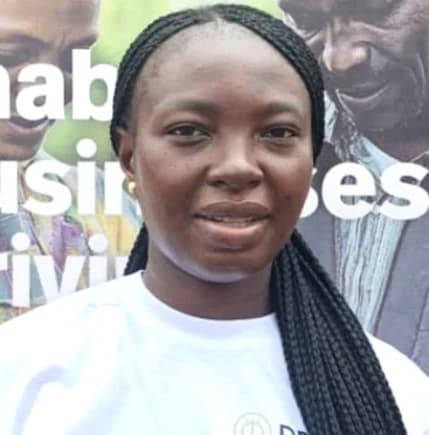
Across Ghana, organizations are ramping up initiatives to address menstrual hygiene challenges, combining educational outreach with the physical distribution of sanitary products to support adolescent girls. In Accra and Bolgatanga, the Think You Can Stars Foundation (TYCS) and Development Bank Ghana (DBG) have launched significant campaigns to coincide with World Menstrual Hygiene Day. These efforts aim to dismantle the deep-seated cultural stigmas surrounding menstruation while providing practical solutions to the 'period poverty' that often hinders girls' education and well-being. By addressing both the psychological and economic barriers to menstrual health, these initiatives seek to empower young women to manage their cycles with dignity and confidence.
In Accra, the Think You Can Stars Foundation organized a major sensitisation event that gathered approximately 500 girls from ten different schools. Abena Dadebea, the founder of TYCS, urged the participants to view menstruation as a natural biological process rather than a source of shame. The program focused heavily on providing accurate health information to prevent infections and improve the mental health of students. Dadebea emphasized that overcoming cultural misconceptions is essential for girl empowerment, noting that many communities still harbor myths that negatively impact how young women perceive their bodies. The event served as a safe space for students to discuss hygiene practices and embrace their menstrual cycles without the fear of social exclusion.
Simultaneously, the Development Bank Ghana (DBG) has turned its attention to the economic challenges of menstrual management, particularly in northern Ghana. As part of its Corporate Social Responsibility efforts, DBG donated 100 boxes of sanitary towels to Bolgatanga Senior High School, marking the start of a larger project to distribute 10,000 towels across various regions. Barbara Anawuno Wrikette, DBG's Head of CSR, highlighted the importance of destigmatizing the topic and ensuring that financial constraints do not prevent girls from accessing essential hygiene products. This intervention is particularly critical given that many students in the region struggle to afford sanitary pads, which can lead to absenteeism and the use of unhygienic alternatives.
The urgency of these interventions was echoed by school officials and students in Bolgatanga. The Senior Housemistress of Bolgatanga SHS pointed out that many girls are forced to resort to inadequate and potentially unsafe alternatives for menstrual management due to the rising cost of sanitary products. A student representative expressed gratitude for the DBG donation, noting that such support is vital for maintaining comfort and dignity during the school day. Moving forward, both TYCS and DBG aim to sustain these efforts, suggesting that a combination of continuous education and improved access to affordable sanitary products is the key to ensuring that menstruation never becomes a barrier to a girl's education or personal development in Ghana.
This story touches markets covered on Anansi Intelligence ↗.
More from health
Continue exploring similar stories


