••
Daddy Bosco Urges Shatta Wale and Samini to Focus on Legacy as Industry Leaders Call for Creative Evolution
•3 min read•6 sources
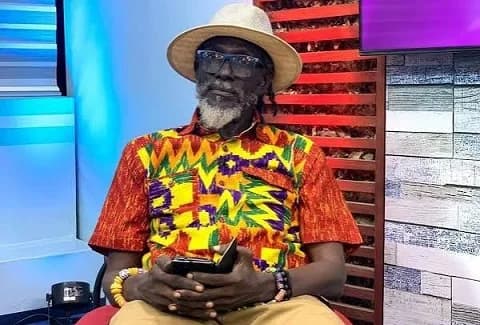
Ahuma Bosco Ocansey, popularly known as Daddy Bosco, has issued a strategic call to established Ghanaian musicians, including Shatta Wale, Samini, and Kwabena Kwabena, to transition from chasing transient hit songs to building enduring legacies. Speaking in his capacity as the Director of Special Projects and Communications at the Musicians Union of Ghana (MUSIGA) and Vice Chairman of the Ghana Culture Forum, Ocansey emphasized that veteran artists should no longer feel pressured to compete with younger, trend-driven musicians for the charts. Instead, he argues that these industry icons must focus on brand extension and business ventures that provide sustained relevance and income long after their peak performing years.
Bosco highlighted that the marks of a successful veteran lie in the ability to create a brand that exists beyond the music industry. He cited examples such as Okyeame Kwame and Shatta Wale’s own business interests as models for how longevity can be translated into commercial sustainability. By recognizing their status as "legacy acts," these artists can avoid the exhaustion of chasing the next viral hit and instead focus on projects that solidify their place in history. This shift is seen as essential for ensuring that artists do not just survive the current industry landscape but thrive as elder statesmen of Ghanaian culture.
This call for a shift in mindset aligns with recent comments from Nigerian Afrobeats superstar Rema, who urged fellow artists to prioritize innovation over fan expectations. Rema, who styles himself as the "Prince of Afrobeats," cautioned that the genre risks stagnation if artists only produce what the audience currently likes. He argued that it is the responsibility of the current generation to push Afrobeats into new territories through experimentation and artistic instinct. Both Bosco and Rema suggest that the future of African music depends on artists looking beyond immediate popularity to consider the broader evolution of their craft.
However, the path to building a lasting legacy in Ghana is fraught with systemic hurdles. Ghanaian music executive George Britton recently lamented the "disheartening" way the public reacts to the success of local artists, noting that achievements on the global stage are often met with criticism rather than celebration. This sentiment is echoed by comedian Abdul Waris (Comedian Warris), who raised concerns about the financial disparity facing Ghanaian content creators. Warris pointed out that unlike in Nigeria, where viral success often translates into immediate wealth, many Ghanaian creators remain broke despite their fame. He urged the public to check on struggling talents who may be facing difficult times without consistent gigs.
Ultimately, the insights from these diverse industry voices underscore a critical period of transition for Ghanaian and West African entertainment. While veteran artists are encouraged to pivot toward business and brand longevity, the industry as a whole must grapple with a lack of financial support and a sometimes-unsupportive public culture. For the creative economy to truly mature, there must be a collective effort—from artists focusing on legacy, to fans celebrating success, and the industry providing the structures necessary for viral fame to become sustainable wealth.
This story touches markets covered on Anansi Intelligence ↗.
Related topic
Shatta Wale: Latest News & Updates →More from entertainment
Continue exploring similar stories


