Ghana News AI
HomeBriefsAsk GhanaTopicsTools
•
•

Stay Informed

Get AI-curated news briefs from Ghana delivered to your inbox every morning. Free forever, no spam.

Explore

  • Home
  • Briefs
  • About

Categories

  • Politics
  • Business
  • Sports
  • Entertainment
  • Africa

Features

  • Analysis
  • Cedi Rates
  • Dollar to Cedi
  • Ghana Gold Price
  • BoG Policy Rate

Topics

  • Armed Forces Recruitment
  • WAEC Results & News
  • Nana Ama McBrown
  • NDC News
  • All Topics

Legal

  • Privacy Policy
  • Terms of Service
Ghana News AI© 2026. All rights reserved.
Made withfor Ghana
technology

Cyber Security Authority Warns of Rising Threats to Ghana's Critical Information Infrastructure

12th August•2 min read•6 sources
Cyber Security Authority Warns of Rising Threats to Ghana's Critical Information Infrastructure
  1. Home
  2. /Technology
  3. /Cyber Security Authority Warns of Rising Threats to Ghana's Critical Information Infrastructure

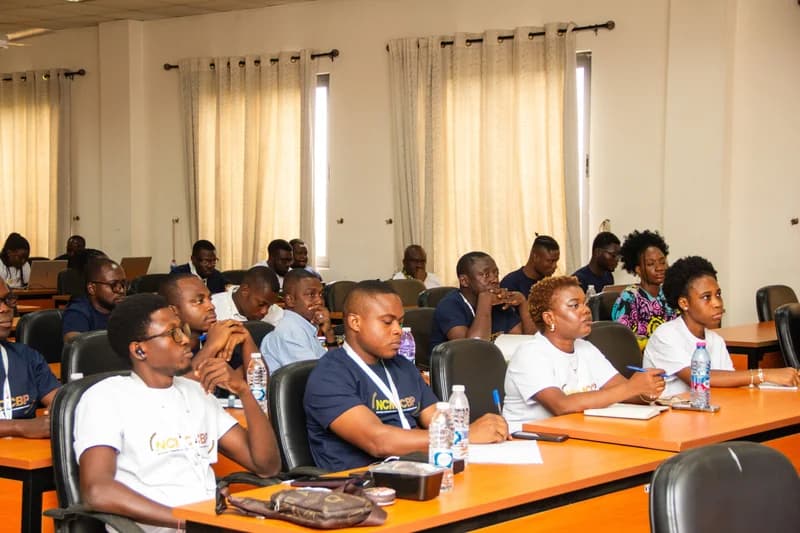
The Cyber Security Authority (CSA) of Ghana has issued a stern warning regarding the escalating threats facing the nation's Critical Information Infrastructure (CII). During a recent cyber capacity-building project in Accra, Alex Awere-Kyere, Senior Manager at the CSA, identified data infiltration, supply chain attacks, and the rise of AI-driven deepfakes as primary concerns. These sophisticated methods are increasingly being deployed by attackers to target systems that form the backbone of Ghana’s essential services, requiring a heightened state of national alertness and a multi-sectoral response.

The potential impact of these cyber threats spans several vital sectors, including energy, finance, health, telecommunications, transport, and various government digital platforms. Mr. Awere-Kyere emphasized that any breach in these areas could lead to significant disruptions in public services and compromise national security. The evolving nature of these threats suggests that traditional technical solutions alone are no longer sufficient; instead, the CSA is calling for an integrated approach to infrastructure protection that moves beyond technical firewalls to include broader institutional resilience.

A central theme of the CSA’s engagement was the indispensable role of the media in strengthening Ghana’s cybersecurity landscape. Journalists were urged to enhance their skills in identifying misinformation and verifying sources, especially as AI-powered deepfakes become more prevalent and harder to distinguish from authentic content. The CSA highlighted that media professionals have a dual responsibility: to provide the public with accurate information and awareness while balancing the need for transparency with the sensitivities of national security.

To address these challenges, the CSA is focusing on continuous capacity building and the establishment of best practices for reporting on cybersecurity incidents. Participants at the training sessions were encouraged to adopt rigorous cybersecurity protocols and to handle sensitive information with extreme care. By fostering a collaborative relationship between the state's security apparatus and the media, the authority aims to create a more resilient digital environment capable of withstanding the complexities of modern cyber warfare.

Our Take

From the Team

Coming Soon

Our team will add key insights, trends, and actionable takeaways to help you stay informed faster.

This story touches markets covered on Anansi Intelligence ↗.

More from technology

Continue exploring similar stories

AutoPadi Launches Digital Platform to Connect Ghanaian Motorists with Verified Mechanics
technology|Yesterday

AutoPadi Launches Digital Platform to Connect Ghanaian Motorists with Verified Mechanics

AutoPadi, a new digital platform designed to provide immediate assistance to vehicle owners during breakdowns, has officially launched in Accra. The mobile application serves as a critical link between motorists and a network of certified automotive professionals, addressing a long-standing challenge in Ghana’s transport sector: the difficulty of finding reliable help when stranded on the road. By leveraging technology to offer real-time solutions, the platform aims to reduce the stress and security risks often associated with vehicle malfunctions in unfamiliar locations. Co-founder Edmund Tekpenor highlighted that the primary motivation behind AutoPadi is to solve the uncertainty drivers face during emergencies. According to Mr. Tekpenor, the app provides immediate access to professionals who have been thoroughly vetted to ensure they possess the necessary skills and integrity to provide high-quality service. This verification process is a cornerstone of the platform, designed to build trust between vehicle owners and service providers in an industry that has traditionally relied on informal recommendations. The application is currently available for download on both the Google Play Store and the Apple App Store, making it accessible to a wide demographic of smartphone users across the country. Beyond emergency roadside assistance, the platform is expected to improve the general standards of automotive maintenance by encouraging mechanics to maintain high service levels to remain listed on the digital marketplace. This shift toward a formalized, tech-driven service model reflects the broader trend of digital transformation currently sweeping through Ghana’s service economy. As the platform expands, its founders anticipate it will significantly enhance the convenience of automotive support for motorists nationwide. By professionalizing roadside assistance and creating a transparent system for service delivery, AutoPadi not only assists individual drivers but also contributes to better road safety and vehicle longevity. The launch marks a significant step forward in integrating digital tools into the everyday lives of Ghanaians, ensuring that help is always within reach during unexpected travel disruptions.

Spotify Introduces 'AI Persona' Badges to Distinguish Human Artists from Synthetic Identities
technology|Yesterday

Spotify Introduces 'AI Persona' Badges to Distinguish Human Artists from Synthetic Identities

Global music streaming giant Spotify has officially begun the rollout of its new "AI Persona" badge, a strategic move designed to enhance transparency and protect the integrity of artist identities. The initiative, which labels content generated by artificial intelligence, aims to provide listeners with a clear distinction between human creators and synthetic representations. By explicitly marking these AI-driven profiles, Spotify is addressing the growing complexity of authenticity in a digital landscape where generative technology is becoming increasingly sophisticated. The introduction of the AI Persona badge is part of a comprehensive suite of tools focused on authenticity, including "Verified by Spotify," "AI Credits," and "SongDNA." These features work in tandem to document the provenance of musical tracks and ensure that the creative process is transparent to the end user. Industry analysts view these measures as a vital safeguard against the potential for AI-generated content to obscure or misappropriate the identities of real performers, thereby maintaining the trust that is foundational to the relationship between artists and their fans. In addition to the labeling system, Spotify has implemented strict algorithmic policies regarding the promotion of synthetic artists. AI Personas will not be recommended in the platform's curated playlists or discovery features unless a user has already proactively followed the specific AI entity. This policy is designed to ensure that Spotify’s editorial influence remains focused on supporting human talent, preventing machine-generated personas from overshadowing the visibility and livelihoods of authentic human musicians. As the music industry continues to navigate the rapid evolution of artificial intelligence, these measures reflect a broader shift toward establishing ethical standards for AI integration. By prioritizing artist identity and human-led creativity, Spotify is setting a precedent for how streaming platforms can manage the coexistence of technology and artistry. For the global music community, including creators in Ghana, these developments represent a significant step toward defending intellectual property and preserving the unique human connection that defines the musical experience.

Cyber Security Authority Urges Ghanaians to Report Cyber Threats via 292 Hotline to Protect Critical Infrastructure
technology|Yesterday

Cyber Security Authority Urges Ghanaians to Report Cyber Threats via 292 Hotline to Protect Critical Infrastructure

The Cyber Security Authority (CSA) has intensified its call for Ghanaians to adopt a proactive approach toward digital safety by reporting suspected cyber threats immediately. Speaking at the National Community Media Cybersecurity Capacity Building Programme, Alex Awere-Kyere of the CSA emphasized that early intervention is the most effective way to mitigate financial losses and protect personal data from malicious actors. As digital transactions and connectivity become central to Ghanaian life, the authority is positioning public vigilance as a primary line of defense against evolving cybercrimes. The CSA highlighted that the risks are not limited to individuals but extend to critical national infrastructure, including the banking, energy, and government sectors. To facilitate rapid response, the authority has established the 292 call center, a dedicated hotline for citizens to report suspicious online activities or cyber incidents. Mr. Awere-Kyere noted that the speed of reporting often determines the success of recovery efforts, particularly in cases involving financial fraud or unauthorized access to sensitive systems. Beyond public engagement, the CSA has bolstered its operational capacity through a Joint Cybersecurity Committee (JCC). This committee brings together several national agencies to ensure a coordinated and robust response to large-scale threats. However, the effectiveness of these resources depends on the integrity of the reporting system. The authority issued a firm warning against prank calls to the 292 hotline, noting that such actions divert essential resources and personnel away from legitimate emergencies, potentially leaving victims of actual cyberattacks at risk. As Ghana continues its digital transformation, the CSA’s focus remains on building a resilient cybersecurity ecosystem. The emphasis on community media involvement suggests a strategy to reach the grassroots, ensuring that even citizens in remote areas are aware of the tools available to protect themselves. By fostering a culture of accountability and transparency in reporting, the CSA aims to safeguard the nation’s digital economy and maintain public trust in technological systems.

Daniel Afari Danquah (3rd from right), Co-founder and CEO of Mood Data Services Limited, presenting the items to Major General Maxwell Obuba Mantey (6th from right), Director-General of NACOC. With them are some staff of NACOC and Mood Data Services Limited
technology|15th August

Narcotics Control Commission Receives Major Tech Boost from MDSL to Enhance Drug Enforcement

Mood Data Service Limited (MDSL) has made a significant contribution to Ghana's fight against drug trafficking by donating an extensive suite of IT equipment to the Narcotics Control Commission (NACOC). This strategic donation is aimed at modernizing the commission’s operational capacity, specifically targeting improvements in surveillance, enforcement, and public education. As law enforcement agencies increasingly rely on digital infrastructure to combat sophisticated crime networks, this private-sector support arrives at a critical time for the commission’s digital transformation. The donated hardware includes 50 laptops, iPads, printers, servers, UPS units, projectors, and computers. Notably, the package also includes a drone, which is expected to significantly augment NACOC's aerial surveillance capabilities in hard-to-reach areas. Maj. Gen. Maxwell Obuba Mantey, the Director-General of NACOC, emphasized that the commission’s primary mandate is to protect citizens from the scourge of narcotics rather than to intimidate them. He acknowledged that while government resources are often stretched thin, such contributions from corporate partners are essential for maintaining high standards of record-keeping and ensuring Ghana remains compliant with international narcotics control protocols. The partnership between MDSL and NACOC is a continuation of previous collaborations, such as the development of a medical screening data-capture portal. Daniel Afari Danquah, the CEO of MDSL, revealed that the company is looking to deepen this relationship by developing a comprehensive national incident reporting system. This upcoming digital platform is designed to provide more effective monitoring of narcotics-related incidents across the country, allowing for real-time data analysis and more informed decision-making by enforcement officers. This donation highlights the growing importance of public-private partnerships in bolstering national security and law enforcement in Ghana. As the Narcotics Control Commission seeks to strengthen its technological infrastructure, the shift toward digitized surveillance and reporting is expected to enhance transparency and operational efficiency. By equipping NACOC with modern tools, MDSL is helping to ensure that the commission can more effectively fulfill its duty to the Ghanaian public while meeting the evolving challenges of the global anti-drug landscape.

All
africa
business
education
entertainment
health
news
politics
sports
technology