••
Criss Waddle and Abro Address Spiritual Prophecies and Traditional Summons as Ghanaian Entertainment Tensions Rise
•3 min read•4 sources
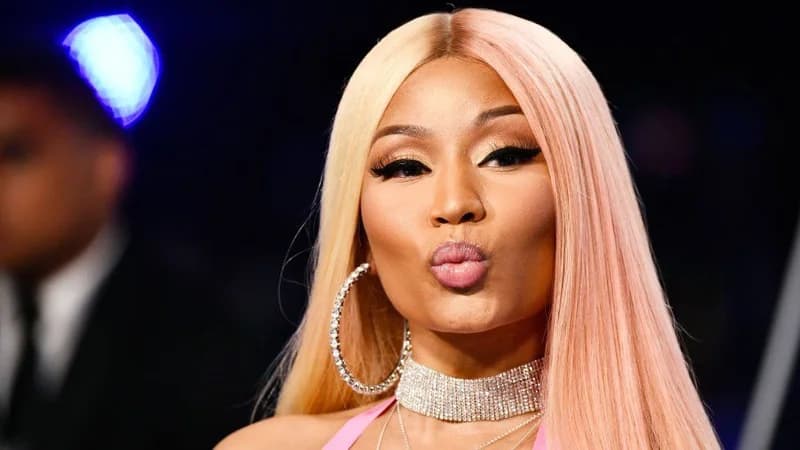
Ghana's entertainment landscape is currently dominated by a series of high-profile confrontations ranging from spiritual warnings to traditional legal summons. Leading the headlines is musician Criss Waddle, who recently responded to a 'doom prophecy' by the spiritual leader Ajagurajah. During a TikTok Live session, Waddle addressed claims that 'bad water and bad wind' were coming his way, requiring a sacrifice of two cows to avert danger. The artist remained remarkably pragmatic, questioning why such warnings are delivered publicly rather than privately. Waddle emphasized that he is a law-abiding citizen who is not above the law, asserting that spiritual interventions should not be used to undermine legal or investigative processes.\n\nIn a more aggressive turn of events, Mawuli Ekpe Peter, popularly known as Abro, has issued a severe warning to actor Kwabena Boakye following a social media conflict involving actress Vivian Jill. Speaking on Royal TV, Abro criticized Boakye for making allegations against Jill and cautioned him against ignoring a summons from the Manhyia Palace. The traditional authority's involvement adds a layer of cultural gravity to the dispute, with Abro threatening extreme personal consequences should Boakye fail to respect the traditional leadership of the Ashanti Kingdom. This highlights the enduring influence of traditional institutions in mediating disputes within the modern Ghanaian creative industry.\n\nAdding to the climate of public call-outs, actress Elorm Aba has waded into the ongoing controversy surrounding Prophet Obinim and his wife, Florence. Using the video-sharing platform TikTok, Aba offered blunt advice to fellow actress Benedicta Gafah regarding her alleged role as a 'side chick.' Aba’s commentary reflects a growing trend where entertainers use digital platforms to critique the personal lives of their peers, often warning of the long-term reputational and spiritual consequences of their actions in the public eye. These interactions demonstrate how personal grievances are increasingly being litigated in the court of public opinion.\n\nOn the international stage, rapper Nicki Minaj provided a different perspective on the intersection of career and faith. In a recent podcast interview, Minaj revealed that her transition away from regular church attendance was a matter of professional scheduling rather than a loss of belief. She explained that her weekend performances made attending Sunday services nearly impossible as her career ascended. Despite these logistical hurdles, Minaj affirmed her ongoing relationship with God and expressed a desire for spiritual growth, showcasing the personal struggle to balance the demands of global superstardom with individual religious practices.\n\nTogether, these stories illustrate the multifaceted pressures facing contemporary entertainers. Whether navigating the traditional expectations of the Manhyia Palace, the public prophecies of spiritual leaders, or the scheduling conflicts of a global tour, celebrities find their personal and professional choices under constant scrutiny. As these situations evolve, they continue to spark broader conversations about the roles of tradition, faith, and accountability in the lives of public figures both in Ghana and abroad.
This story touches markets covered on Anansi Intelligence ↗.
More from entertainment
Continue exploring similar stories


