••
Corruption Watch Uncovers GH―1 Billion Astroturf Scandal as State Institutions Tackle Bribery and Legal Disputes
•4 min read•18 sources
A far-reaching investigation by Corruption Watch has uncovered significant mismanagement and alleged corruption within Ghana’s "One Constituency, One Astroturf" programme, a flagship initiative launched in 2017 under the administration of former President Nana Akufo-Addo. The expos reveals that over GH―1 billion in public funds, intended for sports infrastructure across 169 projects, was subjected to procurement irregularities, bypassed competitive bidding processes, and early contractor payments. Central to the allegations are ownership disputes and conflicts of interest involving high-ranking former officials, including John Peter Amewu and Ernest Owusu-Bempah. The investigation specifically highlighted the Hohoe Sports Stadium and Agogo Sports Complex, where projects valued at over GH―17 million faced questionable tender approvals and illegal procurement practices, prompting urgent calls for stricter oversight and legal accountability for those who may have abused their public office.
Amidst these revelations of past mismanagement, current institutional integrity has come to the forefront as Julius Neequaye Kotey, the CEO of the Driver and Vehicle Licensing Authority (DVLA), revealed he rejected a GH―4 million bribe from a criminal cartel. The bribe was offered to halt the implementation of a new vehicle number plate system featuring scannable technology designed to provide instant access to vehicle information. Mr. Kotey’s disclosure underscores the persistent pressure on public officials to compromise reforms for private gain. Similarly, the Ghana Revenue Authority (GRA) is actively defending the state's fiscal interests by appealing a GH―79.65 million judgment debt awarded to Servestar Minwax (WA) Limited. The GRA is contesting the sum, which originated from a 2009 import duty dispute of less than GH―1 million, and has secured a court order for an independent forensic audit to reconcile the figures while maintaining that its Tax Refund Account is legally protected from such attachments.
The push for law and order under the administration of President John Mahama extends into the security and regulatory sectors, where the Savannah Regional Police Command has recently arraigned 43 suspects for the murder of General Constable Redeemer Owusu in Gindabour. The officer was killed in a mob attack following a teacher’s death after a police encounter, leading to a high-profile investigation overseen by Inspector-General Patrick Tetteh Yohunu. Simultaneously, government efforts to reclaim waterways and mitigate flooding in the Greater Accra Region have sparked public debate, most notably following the demolition of a beach bar owned by musician Itz Tiffany at Laboma Beach. While the artist expressed disappointment over the conduct of security personnel, public reaction has largely emphasized the necessity of uniform application of the law to ensure environmental safety and urban planning integrity.
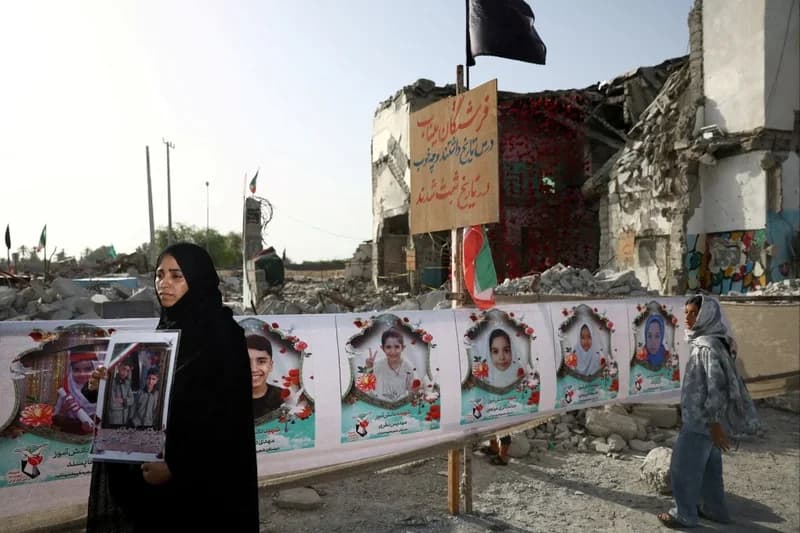
On the international stage, a new United Nations report has raised grave concerns regarding military actions in the Middle East, suggesting that two U.S. military strikes in Iran may constitute war crimes. The strikes targeted civilian infrastructure in Minab and Lamerd, resulting in at least 177 deaths, including many children at the Shajareh Tayyebeh Primary School. UN investigators found no evidence of military activity at these sites, describing the attacks as indiscriminate. While the U.S. government has rejected these findings, citing intelligence discrepancies and blaming the Iranian regime for regional unrest, the report also categorized Iran’s violent crackdown on domestic protests as crimes against humanity. These findings come at a critical time as diplomatic discussions between the U.S., Iran, and Gulf nations are expected to take place during the upcoming UN General Assembly.
These domestic and international developments collectively highlight the ongoing struggle for transparency, fiscal discipline, and the rule of law. From the scrutiny of past sports infrastructure projects to the defense of the national treasury against inflated judgment debts, the current political landscape is defined by a heightened focus on institutional accountability. As independent auditors, investigative bodies, and international missions continue their work, their findings will likely serve as a benchmark for future governance reforms and the strengthening of public trust in both national and global institutions.
Related topic
Ghana Customs Recruitment: Latest News & Updates →