••
Consolidated Bank Ghana Empowers 200 Persons with Disabilities Through Financial Literacy Training
•2 min read•1 source
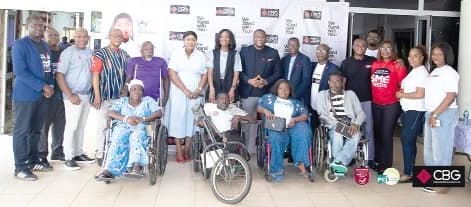
In a significant move toward fostering financial inclusion, Consolidated Bank Ghana (CBG) has successfully conducted a comprehensive one-day financial literacy programme for 200 persons with disabilities (PwDs) across the Greater Accra Region. Organized in collaboration with Korklu’s Foundation and the Ghana Federation of Disability Organisations (GFD), the initiative was designed to bridge the economic gap by equipping participants with the necessary tools and knowledge to manage their finances effectively. This strategic partnership underscores the bank's commitment to social responsibility and its focus on ensuring that marginalized groups are not left behind in the country’s journey toward digital and financial maturity.
The training session went beyond theoretical knowledge, offering participants practical insights into budgeting, saving, and investment strategies. To ensure the training translated into immediate action, CBG facilitated the opening of new bank accounts for all 200 beneficiaries, which were pre-funded with undisclosed initial deposits to encourage a culture of saving. Beyond the financial instruction, the event also served as a platform for economic empowerment through a specialized exhibition. This showcase featured a diverse array of handmade goods and personal care products manufactured by the participants, highlighting their entrepreneurial potential and the viable business opportunities that exist within the disability community.
Key leadership figures emphasized the transformative power of the initiative. Sheila Azuntaba, the Deputy Managing Director of CBG, reiterated the bank's stance on providing equal opportunities for all Ghanaians, regardless of their physical abilities. Her sentiments were echoed by Dorcas Naa Afotey, CEO of Korklu Foundation, who highlighted the critical role of financial literacy in achieving long-term economic independence for PwDs. By focusing on both skill acquisition and financial access, the organizers aimed to dismantle the barriers that often prevent persons with disabilities from fully participating in the formal economy.
The success of this programme serves as a blueprint for future corporate social investments in the education and financial sectors. As Ghana continues to push for broader economic inclusion, such initiatives highlight the necessity of targeted interventions that address the specific needs of vulnerable populations. Moving forward, stakeholders are calling for sustained efforts and more collaborative projects that provide not only one-time training but also continuous support and market access for PwDs. This holistic approach is essential for building a truly inclusive financial ecosystem where every citizen has the chance to thrive and contribute to national development.
This story touches markets covered on Anansi Intelligence ↗.
More from education
Continue exploring similar stories


