••
Chinese Military Researchers Leverage OpenAI and Anthropic Models to Advance Defense Systems
•2 min read•1 source
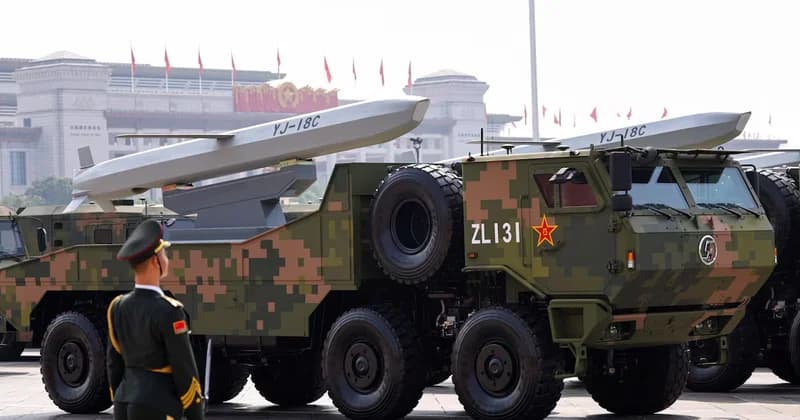
Chinese military researchers are reportedly utilizing outputs from prominent U.S.-based artificial intelligence models, including those developed by OpenAI and Anthropic, to strengthen the nation’s defense infrastructure. According to a comprehensive review of more than 80 Chinese academic papers and patents, military-linked institutions are employing a technique known as "model distillation." This method allows them to develop sophisticated, specialized AI tools for tactical use while bypassing the massive computational and financial resources typically required to build advanced foundation models from the ground up.
The practice of model distillation has become a strategic workaround for the Chinese defense sector, enabling the creation of locally deployable systems tailored for specific military needs. The research highlights various applications, ranging from enhanced surveillance capabilities and cyber warfare tools to advanced tactical decision-making systems. By using the high-quality outputs of U.S. models to "teach" smaller, more efficient Chinese models, researchers can achieve significant performance gains. This occurs despite ongoing efforts by the United States government to restrict China’s access to cutting-edge technology, illustrating the difficulty of containing intangible digital assets like AI model outputs.
This development has intensified the technological rivalry between Washington and Beijing, with U.S. officials raising alarms over intellectual property rights and the unauthorized application of proprietary AI technologies for military purposes. In response, China has denied any wrongdoing, asserting that its research practices are standard and claiming that U.S. firms have engaged in similar developmental tactics. However, technical experts note that while model distillation provides a significant boost, it is not a perfect solution. Distilled models often face inherent limitations and cannot fully replicate the nuanced capabilities or general reasoning of the original, larger-scale American systems.
The revelation underscores the global challenge of regulating dual-use technologies in an increasingly interconnected digital landscape. As AI becomes more central to modern warfare and national security, the ability to "borrow" intelligence from rival systems may redefine the pace of military modernization. For nations like Ghana, observing these high-level technological shifts is crucial as they navigate their own digital transformation and security policies under the administration of President John Mahama. The situation highlights a growing need for international frameworks that address the ethical and secure deployment of AI, as the line between civilian innovation and military utility continues to blur.
Related topic
John Mahama: Latest News & Updates →

