••
Dr. Mohamed Ibn Chambas Advocates for Education as Strategic Pillar for National Peace and Security
•2 min read•6 sources
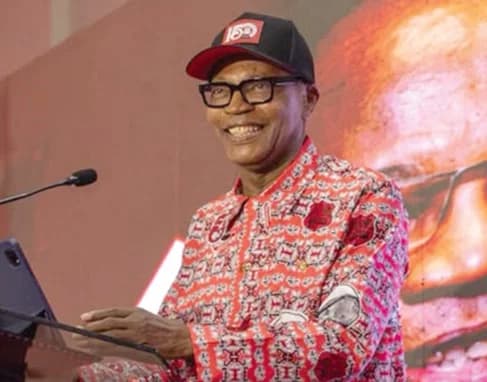
Renowned diplomat and African Union High Representative for Silencing the Guns, H. E. Dr. Mohamed Ibn Chambas, has underscored the indispensable role of education in safeguarding democracy and national stability. Delivering a keynote address during the Mfantsipim Sesquicentennial Lecture Series, Dr. Chambas asserted that a nation’s true wealth is measured not by its mineral resources or military prowess, but by the quality and reach of its educational system. He argued that lasting peace is forged within the walls of the classroom long before it ever reaches the diplomatic negotiation table.
Drawing from decades of experience in conflict zones across Africa, Dr. Chambas highlighted that instability and violence often stem from societal exclusion and a lack of hope among the youth. He warned that neglecting quality education and civic inclusion creates a vacuum that fosters unrest and social fragmentation. According to the diplomat, education serves as a critical bridge between poverty and prosperity, acting as a strategic deterrent against the frustrations that lead to civil strife. By fostering a sense of belonging and civic duty, educational institutions become essential components of a nation’s security architecture.
The lecture also called for a fundamental paradigm shift in the Ghanaian educational sector to meet the demands of a changing world. Dr. Chambas urged a move away from traditional exam-based metrics toward a system that prioritizes critical thinking, ethical leadership, and character development. He emphasized that in an era driven by rapid technological advancements and shifting geopolitical dynamics, students must be equipped with the tools to navigate complex global challenges and make responsible decisions for the betterment of society.
Concluding his address, Dr. Chambas stressed that strategic investment in education is not merely a social service but a vital national security priority. He called on all stakeholders—including the government, educators, and parents—to prioritize peace education and civic responsibility within the national curriculum. By cultivating responsible citizens who are prepared to contribute meaningfully to their communities, Ghana can ensure its long-term development and maintain its standing as a resilient beacon of democratic governance.
This story touches markets covered on Anansi Intelligence ↗.
More from education
Continue exploring similar stories


