••
Severe Floods Paralyse Central Region as GMet Issues Urgent Thunderstorm Warnings for Southern Ghana
•2 min read•2 sources
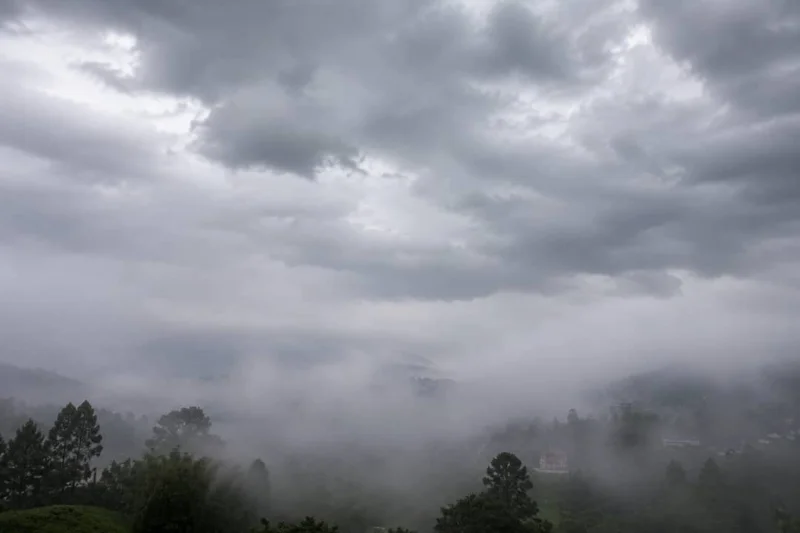
Torrential rainfall has triggered devastating floods across parts of Ghana's Central Region, submerging key communities and disrupting major transportation routes. The downpour has hit Cape Coast and surrounding areas particularly hard, with floodwaters affecting critical institutions such as the Ankaful Communicable Diseases Prison and the Doribabs School Complex. On the N1 Highway, a vital transit corridor, traffic ground to a halt, leaving hundreds of commuters stranded for hours as the infrastructure struggled to cope with the deluge.
The human impact of the floods was nearly catastrophic in Moree, where a taxi was swept away by the rising currents. Fortunately, local residents acted swiftly to rescue the occupants from the vehicle before it was lost to the water. This incident has intensified growing concerns among residents regarding the region's vulnerability to seasonal weather. Many are now calling for immediate improvements to drainage systems and the implementation of long-term flood mitigation strategies to protect lives and property from recurring disasters.
Compounding these challenges, the Ghana Meteorological Agency (GMet) has issued a 24-hour weather forecast warning of continued thunderstorms and heavy rain across southern Ghana. The agency's impact-based forecasting system suggests that the risk of further flooding remains high as the ground remains saturated. In addition to the rain, GMet has warned of mist and fog patches developing in mountainous and forest areas, which are expected to significantly reduce visibility during the early morning hours, creating additional hazards for motorists.
As the weather conditions persist, GMet predicts temperature ranges between 21°C and 26°C along the coastal belt, while the northern sector may see temperatures up to 29°C. Local authorities are urging citizens to remain vigilant and heed weather alerts to ensure their safety. The current crisis highlights the urgent need for a coordinated response between meteorological services and urban planners to address the infrastructure deficits that leave Ghanaian communities exposed to extreme weather events.