••
Camrail survivors seek justice ten years after Eseka rail disaster
•2 min read•1 source
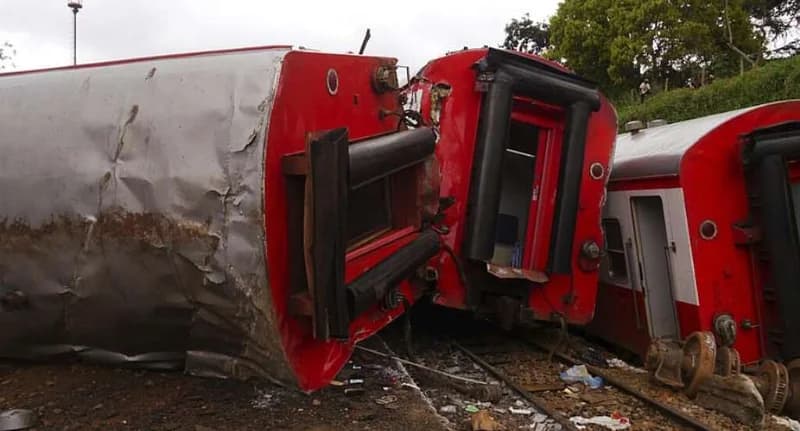
Survivors and families of the victims of the 2016 Eseka rail disaster in Cameroon are still calling for justice and adequate compensation nearly ten years after the tragedy. On October 21, 2016, a Camrail train derailed near the town of Eseka, resulting in a high number of casualties and leaving a lasting mark on the nation's transport history. Despite initial legal rulings, many affected families claim that the closure they seek remains elusive as legal battles and appeals continue to stall final resolutions.
Investigations into the incident revealed a series of systemic failures and gross negligence. The train was found to be traveling at 96 km/h in a zone where the speed limit was restricted to 40 km/h. Furthermore, the investigation concluded that the train was significantly overloaded and equipped with faulty brakes, which directly contributed to the derailment. Survivors like Eugnie have recounted horrific scenes from the day of the crash, while others, including the family of Dorette Dissak, are still searching for answers regarding their missing loved ones who were never accounted for in the aftermath.
In September 2018, a court convicted Camrail and several of its employees of involuntary manslaughter. However, the company has since appealed that decision, prolonging the legal process for those seeking accountability. The compensation packages offered to victims and their families have also faced heavy criticism for being inadequate relative to the scale of the loss and suffering endured. The corporate structure has also shifted since the accident, with Camrail's operations being sold to MSC in 2022, which survivors fear may further complicate their pursuit of accountability.
As the ten-year mark since the disaster nears, the persistent demands of the survivors highlight ongoing challenges regarding corporate responsibility and judicial efficiency in the region. For many, the fight is not just for financial restitution but for a definitive acknowledgement of the failures that led to the deaths of scores of passengers. The case remains a critical reference point for railway safety and the rights of victims within Cameroon's transport sector, serving as a reminder of the long road to justice following large-scale industrial accidents.
