••
Bulgaria’s Danube River Levels Plummet, Threatening Critical Shipping Routes and Navigational Safety
•2 min read•3 sources
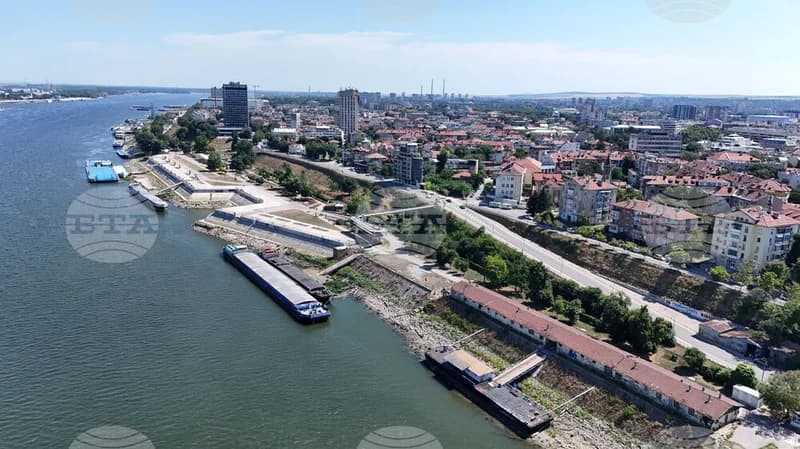
The hydrological situation in the Bulgarian section of the Danube River continues to deteriorate as water levels maintain a steady downward trend, posing significant challenges for maritime navigation. As of August 8, 2025, data from the Executive Agency for Exploration and Maintenance of the Danube River (EAEMDR) indicates a further decline in water depth, specifically at the Ruse gauging station where levels dropped by an additional 5 cm. Currently, the river sits at approximately 109 cm below the reference zero point, prompting ongoing concerns regarding the safety and efficiency of regional trade routes.
The impact on river transport has been immediate, with strict restrictions on vessel draught remaining in effect across the affected sections. While the EAEMDR confirms that no vessels are currently stranded, several have encountered operational hurdles. A self-propelled vessel recently faced notable difficulties navigating the waters near Belene Island due to the shallow depths, although it eventually managed to pass. However, many other vessels are now reportedly anchored or waiting to navigate through critical low-water zones where depths have been measured at a precarious 1.6 to 1.8 meters.
These critical points represent a significant bottleneck for the Bulgarian maritime sector, as the minimum depth requirements for many cargo vessels exceed the current levels. The persistent lack of rainfall and the resulting hydrological drought have forced operators to adjust their loads or pause operations entirely to avoid the risk of grounding. The EAEMDR remains on high alert, monitoring the situation at Ruse and other gauging stations to provide updated safety protocols for the international shipping community and ensure that navigation, while restricted, remains possible.
As the trend of falling water levels persists, the broader economic implications for river-bound commerce in Eastern Europe become increasingly apparent. Without a significant change in weather patterns or upstream water release, the restrictions on the Danube are likely to stay in place, further slowing the movement of goods through this vital corridor. Local authorities continue to advise vessel masters to exercise extreme caution and adhere strictly to the depth limitations established by the hydro-meteorological reports to prevent accidents in the increasingly narrow and shallow navigable channels.
This story touches markets covered on Anansi Intelligence ↗.
More from news
Continue exploring similar stories


