••
British Police Foil Potential Terror Plot Near RAF Fairford Amid a Wave of Global Tragedies and Security Crises
•3 min read•14 sources
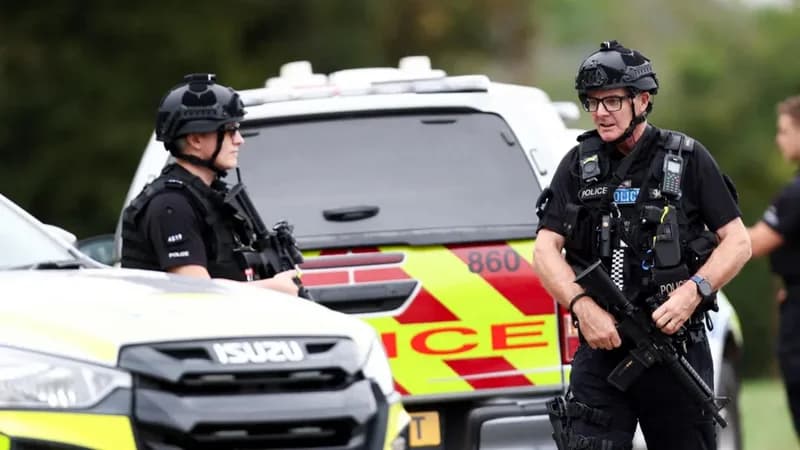
British counter-terrorism police have arrested five men following a high-stakes security operation near RAF Fairford in Gloucestershire, a strategic air base used by United States forces. The arrests, which took place on September 27, were triggered by reports of suspicious vehicles approaching the military installation. While the suspects were initially detained under the Explosives Act, authorities subsequently upgraded the charges to the preparation of a terrorist act. In response to the threat, police established a 400-meter security cordon and evacuated approximately 85 nearby households, while bomb disposal specialists conducted controlled inspections of the vehicles involved. High-ranking officials, including United States President Donald Trump, noted that the suspects were allegedly looking to cause "big damage," with some reports suggesting investigators are exploring potential foreign links to the plot.
UK Prime Minister Andy Burnham and local security officials have moved to reassure the public, emphasizing that safety remains the top priority as forensic investigations continue. The incident has led to heightened security protocols at various U.S. military installations across the United Kingdom. Witnesses described a significant presence of armed forces and emergency responders during the operation, which underscores the ongoing vigilance required to protect critical infrastructure during a period of heightened global tensions. Officials have praised the swift action of law enforcement in preventing what appeared to be a coordinated attempt to disrupt military operations at the base.
While the UK manages this internal security threat, a devastating suicide bombing in northwestern Pakistan has claimed at least 13 lives and left over 30 people injured. The blast occurred near a police check post in the Darazinda area of Dera Ismail Khan, Khyber Pakhtunkhwa province. The Islamist coalition Ittihad-ul-Mujahideen Pakistan (IMP) has claimed responsibility for the attack, which also targeted rescue officials who arrived to assist the initial victims. This escalation of violence has further strained relations between Islamabad and Kabul, with Pakistani officials accusing the Taliban government in Afghanistan of providing a safe haven for militants, prompting retaliatory airstrikes across the border.
In addition to these security challenges, natural disasters and migration crises have exacted a heavy human toll elsewhere. In Nepal, rescue teams have recovered four bodies and continue to search for 12 missing climbers following a massive avalanche at the Himlung Himal base camp. The group, consisting of Nepalese staff and climbers, was caught in deep snow amidst severe weather conditions that have hampered rescue efforts. Simultaneously, tragedy struck the English Channel where three migrants, including a 10-year-old boy, died after an overcrowded dinghy carrying over 100 people capsized while attempting to reach Britain. These disparate events collectively highlight a week of significant international turmoil, ranging from targeted violence to the perilous consequences of extreme weather and irregular migration.

