••
Global Political Briefing: Bolivia at Breaking Point, Trump Legal Maneuvers, and Rising Tensions in the Middle East
•3 min read•36 sources
The international political landscape is currently marked by severe domestic instability and high-stakes legal battles. In Bolivia, President Rodrigo Paz has warned that the nation is at a "breaking point" following a month of anti-government protests led by unions and indigenous groups. The unrest, which has resulted in seven deaths and hundreds of arrests, was initially sparked by land reforms but has expanded into a broader movement demanding the reinstatement of fuel subsidies and the President's resignation. With economic losses exceeding $50 million daily and roadblocks paralyzing supply chains, the Bolivian Congress has moved to facilitate a state of emergency. Similar leadership tensions are surfacing in Senegal, where Ousmane Sonko was elected Speaker of Parliament just days after being dismissed as Prime Minister, and in South Africa, where President Cyril Ramaphosa is challenging a parliamentary report in court to stave off potential impeachment related to the Phala Phala farm theft.
In the United States, significant political and legal developments continue to shape the domestic and international agenda. Former First Lady Jill Biden recently revealed her shock during the 2024 presidential debate, admitting she feared President Joe Biden was having a stroke during his performance—a moment that ultimately precipitated his withdrawal from the race in favor of Kamala Harris. Meanwhile, Donald Trump has intensified his legal and policy actions, refiling a $10 billion defamation lawsuit against the Wall Street Journal over reports of his ties to Jeffrey Epstein. In a move that challenges humanitarian norms, the Trump administration also raised the refugee admissions ceiling by 10,000 specifically to accommodate white South Africans of Afrikaner ethnicity, citing alleged racially motivated violence that the South African government denies.
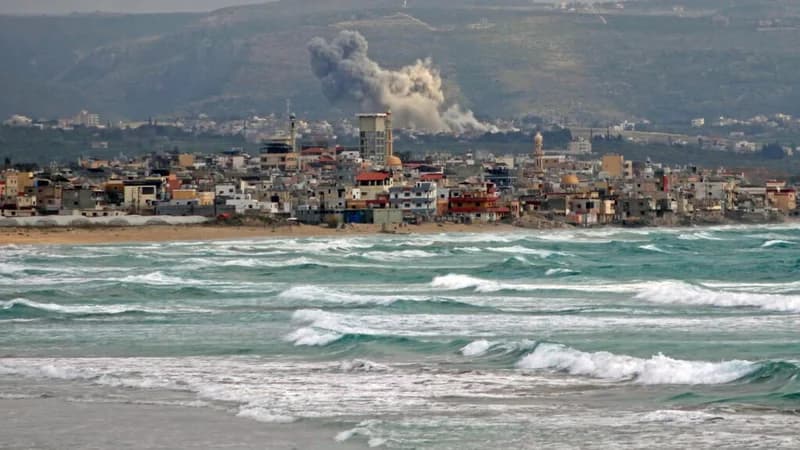
Global security and human rights remain under heavy strain as conflicts escalate in several regions. Israeli air strikes recently killed Mohammed Odeh, the newly appointed commander of Hamas's military wing, while expanded military operations in Lebanon have left dozens dead, including women and children. Further complicating the geopolitical situation, Human Rights Watch has accused the UAE of facilitating a clandestine network of Colombian mercenaries to support the Rapid Support Forces in Sudan's devastating civil war. On the domestic security front, the U.S. Justice Department is seeking to lift an injunction on a White House ballroom project, citing urgent security needs, while Homeland Security Secretary Markwayne Mullin has proposed halting international travel processing at airports in "sanctuary cities" that refuse to cooperate with federal immigration enforcement.
Finally, the intersection of technology and governance is facing renewed scrutiny in the judiciary. Tech giants Apple and Google are currently lobbying the Canadian parliament for judicial oversight in Bill C-22, arguing that the legislation could force them to compromise device encryption and user privacy. This follows the U.S. Supreme Court's refusal to block a Vermont lawsuit against Meta regarding social media addiction among youth. In a significant win for democratic expression, a Thai court acquitted opposition figure Thanathorn Juangroongruangkit of royal insult charges related to his criticism of the government's COVID-19 vaccine policy. As these legal and political narratives unfold, they underscore a global trend of tightening regulations and the increasing use of judicial systems to resolve fundamental conflicts between the state, the media, and private corporations.
This story touches markets covered on Anansi Intelligence ↗.
More from politics
Continue exploring similar stories


