••
MP Boamah, Regional Leaders, and Traditional Authorities Push for Infrastructure Reform and Safety Regulations Across Ghana
•2 min read•6 sources
Ghanaian political and traditional leaders are intensifying efforts to address critical infrastructure and safety challenges through a series of interventions spanning the Greater Accra, Eastern, Western, and Ashanti Regions. These developments highlight a multi-pronged approach to national development, combining state investment and stricter law enforcement with calls for attitudinal change. From flood mitigation to road construction and transport safety, officials are emphasizing that infrastructure resilience is central to the country’s economic and social stability.
In the capital, Patrick Yaw Boamah, Member of Parliament for Okaikwei Central, has highlighted the urgent need for sustained investment in Accra’s drainage systems. Following recent heavy rains, Boamah emphasized that while government intervention is necessary, success also hinges on a shift in public sanitation habits to prevent waste from clogging existing infrastructure. This focus on drainage integrity was mirrored by events in Koforidua, where security forces—including personnel from National Security, the Ghana Armed Forces, and the Police Service—arrested six individuals at the China Mall construction site. The arrests followed the developers' defiance of a stop-work order issued by the Eastern Regional Security Council (REGSEC), which had flagged the project for being situated in a riparian zone, thereby exacerbating local flooding risks.
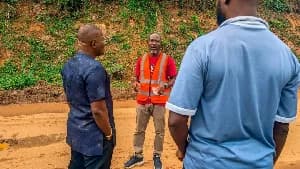
Simultaneously, progress is being made on key transportation corridors in the Western Region. Prestea Huni-Valley Municipal Chief Executive, Dr. Mathew Ayeh, recently inspected the Bogoso–Prestea road project following its reassignment to a new contractor. The Ministry of Roads and Highways previously terminated the former contractor’s agreement due to persistent delays. Dr. Ayeh expressed optimism that the new firm would deliver the quality infrastructure necessary to support the local mining, farming, and trading activities that form the backbone of the municipal economy.
In the Ashanti Region, the focus has shifted toward public safety and transport regulation. The Nkwantakesehene, Nana Boakye Yam Ababio, has formally urged the Ashanti Regional Minister, Frank Amoakohene, to regulate tricycle operations, popularly known as "Pragyia." During a Kumasi Traditional Council meeting, the chief voiced concerns over rising road accidents linked to reckless tricycle operation and called for the formation of a dedicated taskforce. These collective actions across the country underscore a growing movement toward more proactive governance and the enforcement of safety standards to protect citizens and support sustainable growth.
This story touches markets covered on Anansi Intelligence ↗.
More from politics
Continue exploring similar stories


