••
Ghana’s Creative Economy Expands with Maiden Black Star Fashion Week and UNICEF Children’s Film Festival
•2 min read•4 sources
Ghana’s creative landscape is witnessing a significant expansion with the launch of two major inaugural events: the Black Star Fashion Week (BSFW) and the first-ever UNICEF Children’s Film Festival. These initiatives represent a strategic push to showcase local talent and utilize art as a tool for advocacy and economic growth. However, as these new platforms emerge, industry experts are emphasizing the need for these creative milestones to be shielded from political interference to ensure long-term sustainability and a consistent national vision for the sector.
The Black Star Fashion Week, organized by the Black Star Experience Secretariat with support from the Ministry of Tourism, is set to establish a new national platform for the industry. The two-day event begins on November 4 in Accra with a Fashion Summit dedicated to networking, talent development, and industry dialogue. This summit will bring together designers from all 16 regions of Ghana, aiming to spotlight the country's diverse creative output. The festivities will conclude on November 7 at the Royal Senchi, featuring a Fashion Village and a formal show designed to promote Ghana’s cultural and creative identity to a global audience.
In a parallel effort to empower young voices, UNICEF Ghana has launched the country’s first Children’s Film Festival in collaboration with the National Film Authority. The initiative received over 300 submissions, from which 10 young creatives were selected to develop films that reflect the lived experiences and rights of children. By providing these tools for storytelling, the festival aims to start critical conversations regarding the challenges children face and ensure their perspectives are central to discussions about their future and the broader creative economy.
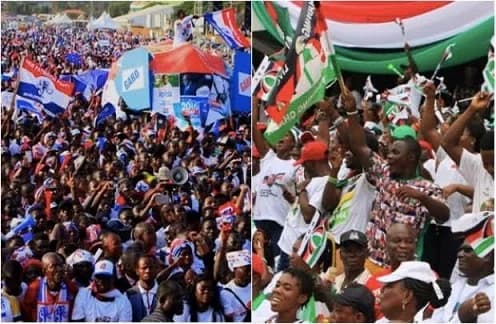
As these new festivals take root, there is a growing call for political continuity within the creative industry. Editorial analysis from Graphic Online suggests that successful initiatives should be evaluated on their effectiveness rather than their political origins. Programs like the 'Year of Return' and 'Beyond the Return' have demonstrated the power of a unified cultural strategy, and practitioners argue that a consistent vision—independent of political transitions—is vital for the sector's growth. Ensuring that these new fashion and film platforms remain focused on practitioner needs rather than party politics will be essential for Ghana’s continued cultural significance.


