••
Timothy Bentum, Reggie Zippy, and Uncle Ebo Share Personal Reflections on Substance Use and Legal Challenges
•2 min read•3 sources
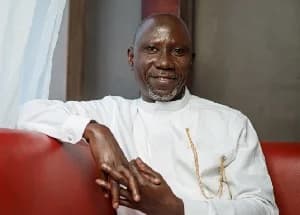
Several prominent Ghanaian entertainment figures have recently opened up about their personal histories, ranging from past substance use and childhood trauma to the legal consequences of social media activity. These revelations, shared by actor-turned-minister Timothy Bentum, hiplife musician Reggie Zippy, and theatre veteran Uncle Ebo, provide a rare and vulnerable glimpse into the private lives and challenges faced by some of the nation’s most recognizable faces in the arts and ministry.
Timothy Bentum, a well-known actor who has transitioned into a career as a reverend minister, candidly discussed his past struggles with substance use, revealing a five-year period of marijuana use. Bentum disclosed that his experimentation with the substance began during his school days, a period of his life that he now reflects upon from his perspective as a spiritual leader. In a contrasting but equally personal reflection on substance use, renowned theatre practitioner Uncle Ebo discussed his decision to lead an "unusual" lifestyle characterized by total abstinence from alcohol. Uncle Ebo attributed this lifelong choice to the traumatic experience of witnessing his father's battle with alcoholism during his childhood, which significantly shaped his disciplined approach to both his personal life and his illustrious theatre journey.
Meanwhile, hiplife musician Reggie Zippy has addressed the legal hurdles he faced following a 2025 arrest. In a social media video posted in September 2026, Zippy recounted the specific charges presented against him, which he claims were tied to his online behavior. The musician indicated that his arrest was directly connected to provocative social media posts made on his birthday, July 16, 2025, and during Father’s Day celebrations. Zippy specifically noted that what he described as a "manhood post" was a key element of the charges, highlighting the increasing legal scrutiny faced by public figures regarding their digital footprints.
These diverse accounts underscore the complex realities of life in the public eye in Ghana, where figures must navigate the intersections of personal history, public morality, and the law. Whether through Bentum’s journey from substance use to the pulpit, Uncle Ebo’s commitment to sobriety as a response to family trauma, or Zippy’s legal battles over social media content, these narratives highlight a trend of transparency among Ghanaian celebrities. Their stories serve as both personal testimonies and cautionary tales about the lasting impact of personal choices and public conduct.
