••
Dr. Mahamudu Bawumia Restructures Leadership Team as NPP Launches '3R Agenda' for 2028 Election Cycle
•3 min read•12 sources
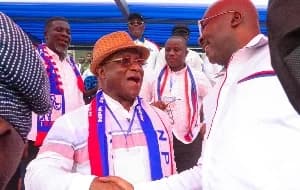
The New Patriotic Party (NPP) has initiated a comprehensive restructuring of its internal operations and campaign machinery as it prepares for the 2028 general elections. Central to this strategy is the appointment of veteran politician Osei Kyei-Mensah-Bonsu as the Chief of Staff for the office of Dr. Mahamudu Bawumia, the party's flagbearer. Kyei-Mensah-Bonsu, a seven-time Member of Parliament for Suame and former Majority Leader, is expected to leverage his extensive legislative and leadership experience to coordinate a more structured approach to the party's future political strategies. Other high-profile appointments to the restructured team include Peter Mac Manu, Opare Ansah, Fred Oware, Nana Akomeah, and Kojo Oppong Nkrumah, all of whom will focus on various strategic and operational areas to strengthen Bawumia's presidential bid.
Simultaneous with these leadership appointments, aspiring National Chairman Awentami Paul Afoko has introduced the '3R Agenda'—standing for Reunite, Rebuild, and Recapture. Afoko argues that the 2028 elections present a unique advantage for the NPP because the current president will not be on the ballot, and the primary opposition candidate, John Mahama, will be ineligible to run. This political landscape, according to Afoko, allows the party to more effectively market Dr. Bawumia as a battle-tested and capable candidate. However, he emphasized that this 'edge' depends entirely on internal cohesion, urging members to set aside personal grievances and emotions that could hinder the party's collective progress.
On the grassroots level, the party is moving forward with its organizational calendar, announcing that nominations for constituency executive elections will open from June 22 to June 24, 2026. Aspiring candidates for the position of Constituency Chairman are required to pay a nomination fee of GH"1,500, while First and Second Vice Chairman candidates will pay GH"1,000. Other executive roles, including Secretary and Organizer, carry a fee of GH"500. This electoral process, supervised by the Electoral Commission in accordance with the Political Parties Act, aims to refresh the party's local leadership and ensure a unified front across all districts. Reports from the Hohoe Constituency already indicate successful polling station elections, which party officials cite as evidence of the NPP’s organizational readiness.
As the NPP focuses on reconciliation and reconstruction, the party's leadership believes that a clear message and a unified front are essential to regaining public trust. The transition from the 2024 electoral cycle to the 2028 strategy highlights a shift toward professionalizing campaign operations and addressing the grassroots fractures that often follow national polls. With the combination of seasoned political veterans in Bawumia's office and a structured plan to rebuild the party's base, the NPP is positioning itself for what Afoko describes as a critical test of maturity in Ghanaian politics. The success of these initiatives will likely determine whether the party can effectively translate its restructured leadership into a victorious national campaign.
This story touches markets covered on Anansi Intelligence ↗.
Related topic
NPP (New Patriotic Party): Latest News →More from politics
Continue exploring similar stories


