••
Barbara Dowuona advocates for early screening after five-year cancer battle
•2 min read•1 source
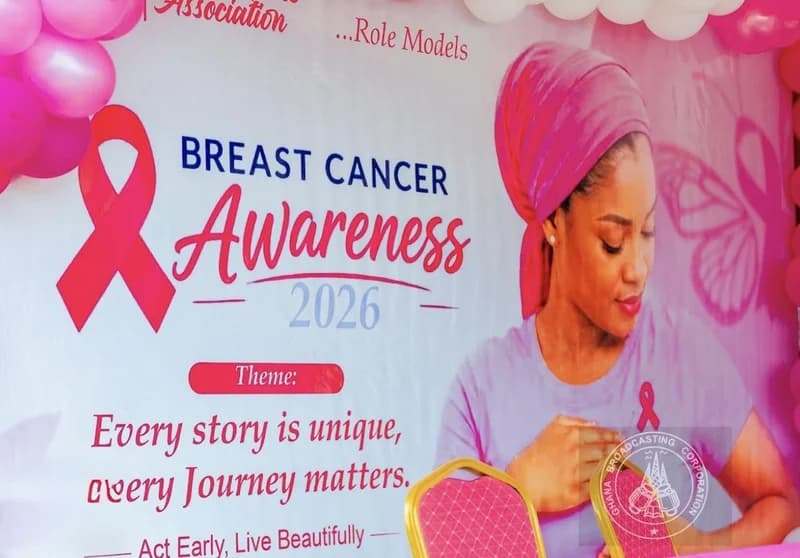
Breast cancer survivor Barbara Dowuona has shared the harrowing details of her five-year battle with the disease, using her platform to urge Ghanaian women to prioritize regular health screenings. Speaking on Ghana Broadcasting Corporation’s Women’s Voice programme on October 21, 2026, Miss Dowuona highlighted the extreme physical and emotional toll that cancer takes on patients. She was joined by public health specialist Dr. Wallace Ashitey Odiko-Ollennu to discuss the barriers preventing effective treatment and the need for better support structures within the national healthcare framework.
During the interview, Dowuona provided a candid look at the difficulties of living with the diagnosis, emphasizing that the experience is one she would not wish upon anyone. "I will never wish for even my enemy to get cancer because cancer is not easy," she stated, reflecting on the long road to recovery she has navigated since her diagnosis five years ago. Her testimony underscored the reality that cancer is not merely a medical condition but a life-altering event that demands immense resilience from both the patient and their support network.
Dr. Odiko-Ollennu expanded on the clinical and systemic challenges, noting that fear and widespread misinformation often lead to delays in seeking professional medical help. To address this, he called for the establishment of a "patient navigator system." Such a system would provide dedicated personnel to guide patients through the complexities of diagnosis, explain treatment options clearly, and provide the necessary emotional support. By demystifying the medical process, experts believe more patients can be encouraged to complete their treatment cycles rather than turning to unverified alternatives out of fear.
The discussion concluded with a strong appeal for proactive health management. Dowuona urged women to be vigilant and seek immediate medical attention if they notice any unusual changes in their breasts. Both speakers emphasized that while a breast cancer diagnosis is daunting, early detection significantly improves survival rates. By combining medical intervention with a structured support system and reliable information, they argued that the burden of the disease in Ghana could be significantly reduced.