••
Bank of Ghana 2025 Fraud Report: Financial Sector Cases Surge 48% as Mobile Money Scams Skyrocket
•3 min read•11 sources
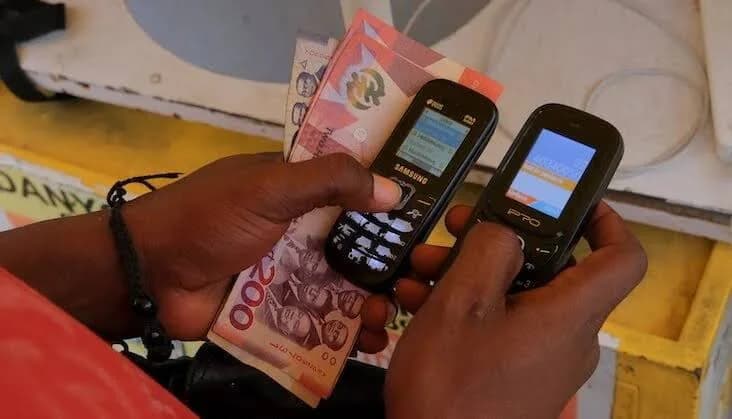
The Bank of Ghana’s 2025 Fraud Report has revealed a significant 48% increase in financial sector fraud, with total reported cases jumping from 16,733 in 2024 to 24,778 in 2025. This surge was primarily driven by the Payment Service Provider (PSP) sector—which includes mobile money services—where fraud cases skyrocketed by 98%. Despite the sharp rise in the number of incidents, the total value at risk across the industry grew only marginally, moving from GH¢99 million to GH¢101 million. While the digital landscape remains volatile, the report highlighted a positive trend within traditional banking and Specialised Deposit-Taking Institutions (SDIs), which saw a notable decline in both reported fraud cases and internal staff involvement.
According to Eric Cab-Beyuo, Head of the Fraud Investigations and Reporting Unit at the Bank of Ghana, the modern fraudster is increasingly moving away from technical hacking in favor of social engineering. Cab-Beyuo noted that most mobile money fraud relies on psychological manipulation, such as fake calls and deceptive SMS alerts designed to trick users into compromising their own security. The PSP sector recorded 24,124 electronic fraud incidents, resulting in a value at risk of GH¢37 million. This shift toward targeting the general public highlights a critical need for enhanced digital literacy and consumer vigilance to combat scams that exploit human behavior rather than system vulnerabilities.
In contrast to the rising figures in the PSP sector, internal controls within banks and SDIs appear to be strengthening. Staff involvement in fraudulent activities decreased by 40%, with the number of employees implicated dropping from 365 to 219. This improvement in internal integrity resulted in 75 staff dismissals in 2025, a significant reduction from the 155 dismissals recorded the previous year. Despite the decrease in staff-led fraud, insider threats remain a concern, with cash theft and suppression accounting for approximately 63% of internal cases. The Central Bank credited improved oversight and internal reforms for these gains, though it warned that institutions must remain vigilant against evolving digital risks.
The broader landscape of Ghanaian financial crime was also marked by a high-profile international enforcement action. Frederick Kumi, a Ghanaian businessman known as Abu Trica, was recently extradited to the United States to face charges related to an $8 million romance scam. U.S. authorities allege Kumi was part of a criminal network that utilized artificial intelligence (AI) to create fraudulent identities and manipulate elderly victims. This case underscores the global reach of Ghanaian-linked fraud networks and the increasing sophistication of tools, such as AI, being used to facilitate large-scale financial crimes.
In response to these findings, the Bank of Ghana is calling for deeper cooperation between financial institutions, regulators, and law enforcement agencies. The central bank emphasized that as the financial landscape becomes increasingly digital, a unified strategy is essential to protect the integrity of the ecosystem. Moving forward, the BoG intends to prioritize the strengthening of internal controls and the promotion of public education campaigns to ensure that consumers can identify and resist the psychological tactics employed by modern fraudsters.
This story touches markets covered on Anansi Intelligence ↗.
More from business
Continue exploring similar stories


