••
Bank of Ghana Reports 2026 Liquidity Slowdown Amidst External Debt Restructuring and Global Energy Risks
•3 min read•5 sources
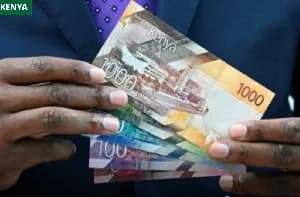
The Bank of Ghana (BoG) has signaled a period of cautious fiscal maneuvering as it navigates a complex landscape defined by moderating liquidity, ongoing external debt negotiations, and heightening geopolitical tensions. According to the BoG’s May 2026 Monetary Policy Report, annual growth in the broad money supply (M2+) slowed to 22.2% in April 2026, a notable decrease from the 26.7% recorded in the previous year. This deceleration is largely attributed to a contraction in Net Foreign Assets (NFA), driven by the appreciation of the cedi and a subdued accumulation of foreign assets within the banking sector. Conversely, Net Domestic Assets (NDA) saw a sharp rise to 27.4%, bolstered by increased banking sector holdings of government securities and private sector claims. Parallel to these liquidity trends, the central bank has highlighted potential short-term external payment challenges arising from the remaining stages of external debt restructuring. Despite these hurdles, the government’s fiscal performance in the first quarter of 2026 has been resilient, posting a budget surplus of GH¢1.709 billion—roughly 0.1% of GDP—which exceeded initial deficit targets. The BoG attributed improved revenue yields in April to the implementation of new technology-driven measures, including the integration of Artificial Intelligence to enhance collection efficiency. However, officials continue to stress the necessity of aggressive domestic savings and high reserve accumulation to buffer against global commodity price fluctuations. The broader economic environment remains sensitive to international instability, particularly the impact of conflicts involving Iran on global energy prices and shipping routes through the Strait of Hormuz. These global pressures have already prompted the World Bank to lower Kenya’s growth forecast to 4.3%, citing increased production costs and household financial strain—a trend that Ghana is monitoring closely. As the Monetary Policy Committee (MPC) prepares for its upcoming meeting, scheduled for July 20 to 22, domestic commercial banks are repositioning their portfolios. Many industry executives anticipate that the MPC will maintain the policy rate at 14.0%, mirroring the stance taken in previous sessions to balance inflation control with economic growth requirements. Ultimately, the convergence of domestic debt management and global energy volatility requires a disciplined monetary response. The Bank of Ghana’s focus on meeting fiscal targets while managing the domestic currency's value will be critical in the coming months. As the MPC concludes its deliberations, the focus will remain on whether the current policy rate is sufficient to sustain the momentum of the first quarter’s budget surplus while mitigating the risks posed by shifting global trade dynamics and the final phases of debt restructuring.
This story touches markets covered on Anansi Intelligence ↗.
Live rates
Bank of Ghana policy rate →More from business
Continue exploring similar stories


