••
Bank of Ghana Injects $2.01 Billion to Stabilise Cedi as July Inflation Forecast Eases Below 5%
•2 min read•6 sources
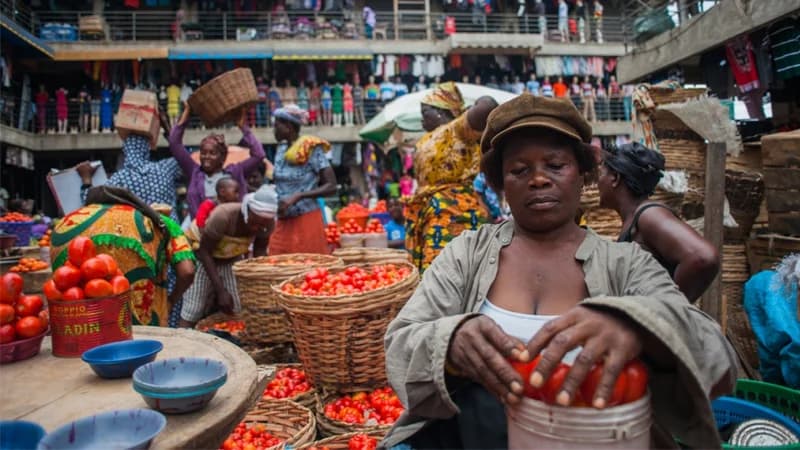
The Bank of Ghana (BoG) has undertaken a significant market intervention, injecting $2.01 billion into the foreign exchange market in June 2026 to address rising demand for US dollars and maintain the stability of the cedi. A substantial portion of this liquidity—approximately $1.2 billion—was distributed through the central bank's Forex Intermediation Programme. This strategic move successfully triggered a 3.30% appreciation of the cedi against the dollar, marking the currency’s first monthly gain of the year. Despite this success, the currency faced a slight correction on July 7, 2026, with the interbank selling rate at GHS 11.40 and forex bureaus trading at GHS 12.15, as the market continues to recalibrate.
Simultaneously, economic analysts at Databank Research are projecting a cooling of inflationary pressures for July 2026. After inflation rose for three consecutive months to reach 5.3% in June—largely due to spikes in fuel, utility costs, and food shortages—projections now suggest it could drop to between 4.6% and 5.0%. This anticipated relief is attributed to improved food supply conditions ahead of the August harvest season and a downward trend in global petroleum prices. While June’s inflation was driven by high costs for staples like tomatoes and fish, the coming month is expected to offer the first reprieve for households and businesses in the current cycle.
Industry experts, including Vish Ashiagbor, Country Senior Partner at PwC Ghana, maintain a positive medium-term outlook for the national currency. Ashiagbor noted that the central bank’s interventions have significantly bolstered investor confidence and provided a necessary buffer for the cedi to trade within its current range without excessive volatility. He anticipates that the Bank of Ghana will likely maintain its current monetary policy stance in upcoming meetings as it evaluates the sustainability of these declining inflation risks and broader macroeconomic stability.
As the economy prepares for the August harvest, the focus shifts to how these improved supply chains and currency interventions will impact the broader financial sector. PwC’s 2026 Banking Survey suggests that while the macro-environment is stabilising, commercial banks must remain agile. With interest rates expected to decline alongside inflation, financial institutions are being encouraged to adjust their business models to compensate for potential pressures on traditional income sources. Overall, the combination of aggressive forex management and favourable seasonal food cycles has positioned Ghana for a period of improved economic predictability.
This story touches markets covered on Anansi Intelligence ↗.
Live rates
Bank of Ghana policy rate →More from business
Continue exploring similar stories


