••
Mass Malfunction of Baidu Robotaxis Causes Significant Traffic Disruption in Wuhan, China
•2 min read•1 source
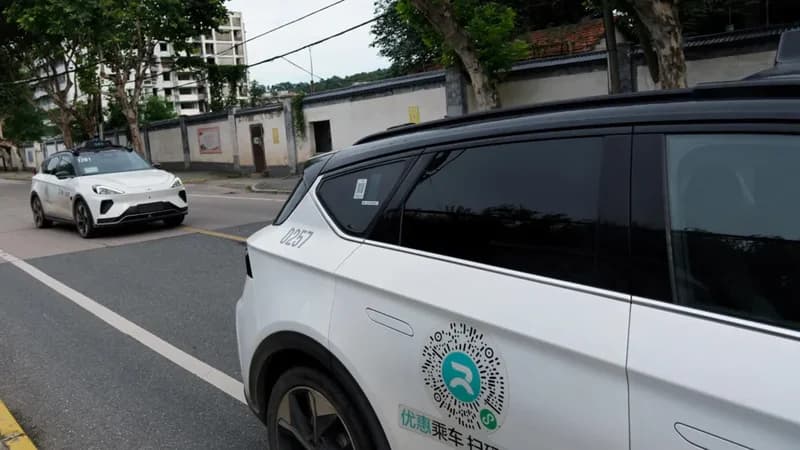
A significant technological failure involving autonomous vehicles recently paralyzed traffic in the Chinese city of Wuhan, after more than one hundred robotaxis from Baidu’s Apollo Go service suddenly stopped mid-route. The mass outage, suspected to be caused by a widespread system malfunction, left a fleet of self-driving cars stranded across various roadways, creating significant gridlock. Despite the chaos documented in various social media videos, local police confirmed that no injuries were reported during the incident, and all passengers managed to exit the vehicles safely.
The incident has triggered an immediate investigation into the underlying causes of the system failure. Preliminary reports suggest a possible glitch in the cloud-based infrastructure or a software update error that affected the fleet's ability to navigate. This is not an isolated event for Baidu's Apollo Go service, as similar technical failures have been recorded previously in Chongqing. The scale of the Wuhan incident, however, underscores the potential for systemic failures in autonomous networks that can affect dozens or even hundreds of units simultaneously, shifting the risk profile from individual mechanical issues to large-scale network outages.
Global comparisons are being drawn as cities worldwide experiment with driverless transportation. Similar malfunctions have been reported with competitors like Waymo in San Francisco, suggesting that the industry at large is still grappling with the complexities of urban navigation and network reliability. Technology experts point out that while robotaxis are designed to minimize human error—the leading cause of road accidents—they introduce a new category of risk where a single software bug or server disconnection can deactivate an entire urban transport segment.
As investigations continue, the Wuhan event has reignited a fierce global debate regarding the safety and readiness of autonomous vehicle technology. Regulators are being urged to implement stricter fail-safe protocols and better communication between autonomous systems and local traffic management authorities. For now, the incident serves as a stark reminder of the challenges inherent in the transition to fully automated urban mobility, highlighting the need for robust oversight as companies race to dominate the emerging robotaxi market.
This story touches markets covered on Anansi Intelligence ↗.
More from technology
Continue exploring similar stories


