••
Speaker Bagbin Commences Wa Palace Infrastructure as Bolgatanga VC Faces Dismissal Over GH¢19.5m Procurement Breach
•3 min read•20 sources
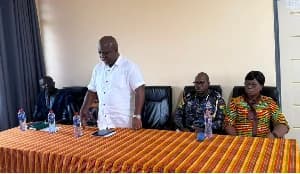
Ghana’s political landscape this week is marked by significant infrastructure development and high-level governance scrutiny. The Speaker of Parliament, Alban Sumana Kingsford Bagbin, has officially cut sod for the construction of a modern meeting and conference hall at the Wa Naa Palace. Described as a "transgenerational effort," the project aims to revitalize the centuries-old seat of the Wala Kingdom while preserving its original Sudanese architectural identity. Speaker Bagbin, who is personally funding the initiative, emphasized that the upgrade will serve as a gateway for investment and cultural preservation. This move has been widely praised by local traditional leaders, including Jinpenhi Naa Kadir Ibrahim, as a vital step toward modernizing traditional governance infrastructure before the upcoming Dumba Festival.
Simultaneously, a major governance scandal has rocked the education sector, with a Special Investigative Committee recommending the immediate dismissal of Bolgatanga Technical University’s Vice-Chancellor, Prof. Samuel Erasmus Alnaa. The committee’s report uncovered serious procurement breaches involving a GH¢27.9 million supply contract awarded without proper documentation or approval, leading to a financial loss of GH¢19.5 million. In addition to the dismissal recommendation, the committee called for a forensic audit and criminal investigations into allegations of overpricing and the unauthorized distribution of university property. Meanwhile, in the legal sphere, 48-year-old politician Kweku Osei Korankye Osei, popularly known as "Koka," has been arraigned before an Accra Circuit Court for allegedly threatening a police officer and his family following an unauthorized filming incident at the Regional CID Headquarters.
On the legislative front, disability rights advocates are intensifying pressure for more robust protections in the proposed Persons with Disability Bill. Humphrey Matey Kofie has called for clearer accessibility requirements to replace the existing Act 715, which he argues lacks the specific standards necessary to compel public institutions to eliminate physical barriers. This push for inclusive governance coincides with Ghana’s preparation for international climate diplomacy. The Minister of State for Climate Change and Sustainability, Seidu Issifu, is set to represent the nation at the UNFCCC SB64 Bonn Climate Conference in Germany. Ghana’s agenda at the summit includes mobilizing climate finance and advancing adaptation efforts to protect vulnerable communities from environmental impacts.
Regionally, political tensions are rising across West Africa and the continent. In Senegal, the Pan-Africanist Pastef party has re-elected Ousmane Sonko as its leader amidst a deepening rift with President Bassirou Diomaye Faye. In Somalia, political violence in Mogadishu has left one dead and dozens injured following the president’s controversial term extension. Security remains a critical concern in the sub-region as the Nigerian army recently freed 360 hostages from Boko Haram in the Mandara Mountains, a tactical victory tempered by the tragic death of two infants due to exhaustion. These domestic and regional developments highlight a period of transition and high-stakes accountability across the Ghanaian and African political spheres.
This story touches markets covered on Anansi Intelligence ↗.
More from politics
Continue exploring similar stories


