••
Speaker Bagbin Backs President Mahama’s Call for National Dialogue on Social Media Abuse and Political Decorum
•3 min read•32 sources
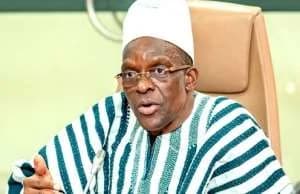
In a significant push for civil discourse, Speaker of Parliament Alban Sumana Kingsford Bagbin has expressed strong support for President John Dramani Mahama’s initiative to launch a national dialogue on hate speech and abusive online content. The move comes as both leaders raise alarms over the deteriorating quality of public conversation in Ghana, fueled by the rapid spread of misinformation and personal attacks on digital platforms like TikTok. During a recent emergency parliamentary sitting, Speaker Bagbin emphasized that while freedom of expression is a constitutional pillar, it must not be used as a shield for threats, falsehoods, or the degradation of the nation’s democratic culture. President Mahama initially proposed the dialogue during a town hall meeting in New York, tasking the Ghana Journalists Association (GJA) and the Media Foundation for West Africa (MFWA) to lead a stakeholder forum to address these challenges.
Speaker Bagbin has specifically challenged Ghana’s political leadership to take responsibility for the hostile climate, urging party leaders to stop rewarding members who gain prominence through "bitter tongues" and inflammatory rhetoric. He warned that the prevalence of insults in political discourse undermines public trust and threatens the country's democratic stability. Bagbin argued that elected representatives must model the high standards of discipline and respectful disagreement they expect from the citizenry, asserting that strong political criticism does not require personal degradation. He called for a culture of substantive debate where arguments are won on merit rather than through provocations and abuse.
The necessity for improved decorum was highlighted during the emergency session when Dr. Kabiru Tiah Mahama, the Member of Parliament for Walewale, was forced to retract a comment labeling the Speaker’s decision to recall Parliament as "rude." Following a rebuke from the Speaker, Dr. Mahama offered an unreserved apology, admitting he had misunderstood the term. This incident served as a practical example of the Speaker's broader call for parliamentary discipline and the need to maintain the dignity of state institutions. The recall itself had been triggered by a request from President Mahama under Order 58(4) of the Standing Orders to address urgent government business, further underscoring the active coordination between the executive and legislative branches.
Adding to the conversation, prominent dancehall artiste Shatta Wale addressed an open letter to President Mahama, advocating for a balanced legal framework that tackles online defamation without infringing on constitutional freedoms. Shatta Wale suggested that the government should collaborate with the judiciary, media, and technology companies to establish clear protocols for online conduct, including enhanced account verification linked to national identity systems. He cautioned against any move that might reintroduce criminal libel laws, instead proposing public education on responsible digital citizenship and proportional penalties for online misconduct. Shatta Wale expressed his readiness to participate in the upcoming national dialogue to represent the interests of the creative community and digital users.
The proposed national engagement is expected to develop a comprehensive roadmap for managing digital content while safeguarding civil liberties. By involving a broad spectrum of stakeholders—including civil society, technology firms, and the media—the initiative aims to create a sustainable environment for free expression that is grounded in accountability. As Ghana moves forward, the focus remains on ensuring that the democratized nature of social media continues to foster participation without eroding the foundational values of respect and truth that sustain the nation's democracy.
Related topic
John Mahama: Latest News & Updates →

