••
Tragic Building Collapse in Awutu Papaase Claims Young Life as Social Welfare Concerns Mount
•2 min read•2 sources
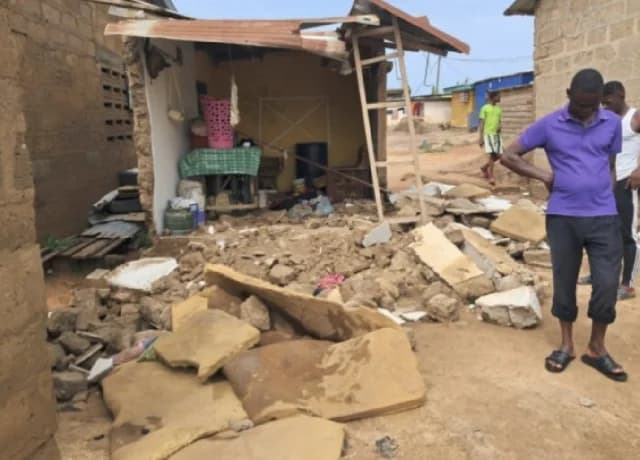
Tragedy has struck the community of Awutu Papaase Number 1 in the Awutu Senya West District, where a rain-induced building collapse resulted in the death of a four-year-old boy. This devastating event coincides with a harrowing report of social abuse surfacing in the media, where a young woman has detailed a cycle of exploitation within a place of supposed refuge. Together, these incidents highlight urgent concerns regarding physical safety during the rainy season and the ongoing need for robust social support systems for vulnerable individuals.
The physical tragedy occurred during a heavy downpour when a residential structure gave way, instantly killing young Godsway Nutsugah. His brother, 35-year-old Seth Nutsugah, was also caught in the debris and is currently in critical condition at the Winneba Trauma and Specialist Hospital. Salifu Adams, the local Director for the National Disaster Management Organisation (NADMO), confirmed the incident and issued a stern warning to residents to exercise extreme caution as the rainy season intensifies. Authorities have announced plans to conduct structural safety assessments in the area to prevent further loss of life.
Parallel to this environmental disaster, a distressing case of social vulnerability has emerged involving a 23-year-old woman who sought shelter in her pastor's home following the death of her father. Instead of finding the protection she expected, she reports being abused by the pastor's two sons, an ordeal that has resulted in a pregnancy. The victim has shared her story as a cry for help, detailing a state of isolation and terror as she faces a difficult future and the potential social repercussions within her community.
These incidents underscore a dual crisis of safety in Ghanaian communities—one environmental and the other social. While NADMO works to address the structural integrity of buildings against the elements, the report of abuse highlights the precarious situation of those living in dependent housing arrangements. As the rainy season continues to pose threats to infrastructure, there is an increasing call for heightened vigilance and better protection for individuals in vulnerable living situations, ensuring that both physical shelters and social institutions remain genuine safe spaces.