••
Australia Confirms First Case of H5N1 Bird Flu as Virus Now Reaches Every Continent
•2 min read•2 sources
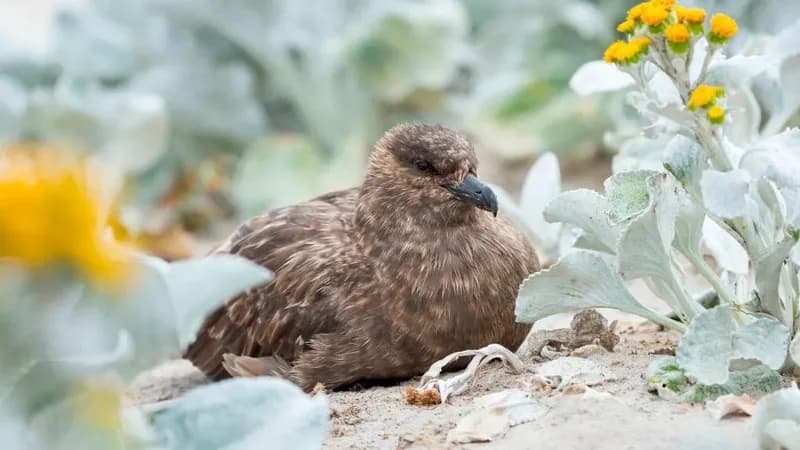
Australia has officially confirmed its first case of the H5N1 avian influenza strain, marking a significant milestone in the global spread of the virus. Agriculture Minister Julie Collins announced the detection of the highly contagious strain in a migratory brown skua seabird found at Cape Le Grand National Park in Western Australia. Until this discovery, Australia was the only continent to remain free of this specific H5N1 variant, which has caused widespread devastation to wildlife and poultry populations across the globe since its emergence in the late 1990s.
In addition to the confirmed case in the brown skua, authorities are investigating a second suspected case involving a southern petrel. While Agriculture Minister Collins noted that no mass mortalities have been reported on the Australian mainland thus far, the government remains on high alert. Officials are expected to determine within the coming days whether the virus has begun to affect other local animal populations. The detection at Cape Le Grand National Park highlights the vulnerability of migratory bird routes and the potential for the virus to establish itself within Australia’s unique ecosystem.
The arrival of H5N1 on the Australian mainland follows earlier catastrophic reports from Australian external territories. On the remote Heard and McDonald Islands, the virus was previously linked to the deaths of approximately 13,000 baby seals, illustrating its lethal potential beyond bird populations. While the H5N1 strain is notoriously deadly for avian species and certain marine mammals, health experts emphasize that it rarely infects humans. However, its presence on every continent underscores the persistent challenge zoonotic diseases pose to global biodiversity and the agricultural sector.
As Australia enters this new phase of wildlife disease management, environmental and agricultural authorities are ramping up monitoring efforts to mitigate potential outbreaks. The focus remains on early detection and understanding the transmission dynamics between migratory species and local wildlife. For now, the Australian government is working closely with scientific experts to ensure that both the public and the agricultural industry are informed of the risks as they continue to track the movement of the virus across the Western Australian coastline.
This story touches markets covered on Anansi Intelligence ↗.
More from health
Continue exploring similar stories


