••
Finance Minister Ato Forson Signals Stricter Mining Lease Renewals as Gold Fields Seeks 20-Year Tarkwa Extension
•3 min read•11 sources
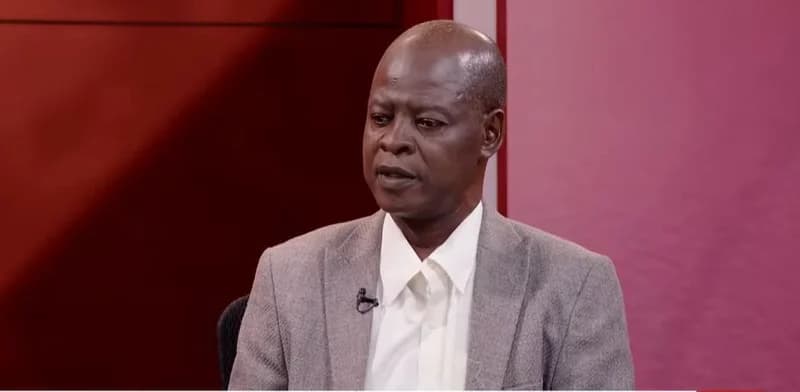
Ghana's mining landscape is undergoing a significant policy shift as the government adopts a more rigorous approach to lease renewals, highlighted by the ongoing discussions surrounding the Tarkwa Mine. Finance Minister Dr. Cassiel Ato Forson has expressed deep concerns regarding current practices, emphasizing that mining leases should serve as commitments to continued production and local investment rather than opportunities for asset sales. This stance follows a controversial case where Newmont renewed a lease only to sell the asset for approximately $1 billion just a month later. As Gold Fields Ghana seeks a 20-year extension for its Tarkwa operations—supported by a pledge of $1 billion in new investment—the government is weighing whether to extend the lease or revert the asset to state control.
The debate over value retention is intensified by public sentiment that Ghana is being shortchanged by its mineral wealth. Policy analyst Dr. Steve Manteaw and other experts point out that the country currently retains only a small fraction of total mineral revenues, often cited at around 5%. In response, the government has introduced reforms such as a sliding-scale royalty system, designed to capture higher revenues when commodity prices surge. However, Dr. Ato Forson remains adamant that the integrity of the lease system must be protected, stating that the state expects lessees to invest in long-term operations rather than flipping licenses for quick profits. A final decision on the Tarkwa Mine, one of the nation's most productive assets yielding 500,000 ounces of gold annually, is expected by the end of the year.
Advocacy for increased local ownership is gaining momentum, with figures like former Energy and Mines Committee Chairman Dr. Kwabena Donkor proposing the revival of the State Gold Mining Corporation. Under this proposed model, the corporation would act as an asset manager and leaseholder, engaging local contractors for operations to maximize Ghanaian participation without repeating the management failures of the past. While Dr. Manteaw supports this push for local stakes, he cautions that such a transition must be strategically planned to ensure local entities possess the necessary financial and technical capacity. This sentiment is countered by the Ghana Chamber of Mines, which warns that excessive uncertainty over lease renewals could deter international investors and jeopardize the billions already invested in the sector.
Beyond financial terms, the government is also tightening its grip on environmental compliance. The Environmental Protection Authority (EPA) has issued a stern warning to mining firms, including both legal concessionaires and illegal operators, to adhere strictly to environmental standards or face the revocation of their permits. Prof. Jacob Paarechuga Anankware of the EPA emphasized that while mining is a cornerstone of the economy, it must not come at the cost of the country's ecosystems. As Ghana moves toward a 2026 deadline for increased localization in the sector, the coming months will be critical in determining how the state balances the need for international capital with the growing demand for national sovereignty over its natural resources.
This story touches markets covered on Anansi Intelligence ↗.
Live rates
Ghana gold price →More from politics
Continue exploring similar stories


