••
Finance Minister Ato Forson Tables Six Revenue Bills Amid 6.4% GDP Growth and Minority Skepticism in 2026 Mid-Year Budget Review
•3 min read•31 sources
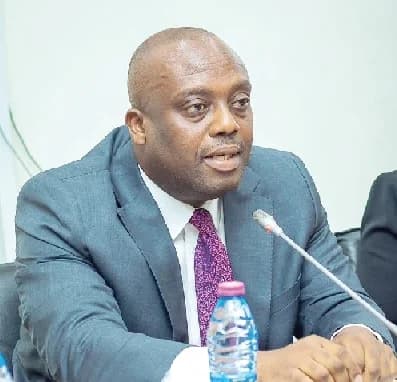
Finance Minister Dr. Cassiel Ato Forson presented the 2026 Mid-Year Fiscal Policy Review to Parliament, highlighting a robust 6.4% GDP growth for the first quarter and a steady path toward economic recovery under President John Mahama’s administration. Central to the government's strategy is the introduction of six major legislative amendments, including the Customs Bill, Income Tax Amendment Bill, and Value Added Tax Amendment Bill, designed to plug revenue leakages and modernize the tax regime. Dr. Forson credited the recovery to intentional fiscal correction and digitalization, reporting that the Sinking Fund has already accumulated GH"15.6 billion to meet domestic debt obligations, with a target of GH"30 billion by the end of the year to sustain the Domestic Debt Exchange Programme (DDEP).
While the government touted these macroeconomic gains, the Minority in Parliament, led by Alexander Afenyo-Markin, dismissed the review as a "disguised campaign tool" for President Mahama. Critics like Dr. Gideon Boako, Deputy Ranking Member on the Finance Committee, argued that while "economic indicators are green, social indicators remain red," pointing to high youth unemployment and rising living costs that contradict the official growth figures. Concerns were also raised regarding a 40% underspend in capital expenditure, which experts from Deloitte warn could stall critical infrastructure development. In his defense of current fiscal discipline, Dr. Forson revealed that internal reviews found previous project loans under the Akufo-Addo administration had been misallocated to luxury vehicles and conferences, necessitating a pause on certain disbursements.
The session also featured updates on the government’s flagship 24-hour economy policy and energy security. Deputy Majority Leader Kweku Ricketts-Hagan defended the 24-hour initiative as a long-term strategy to double workforce productivity rather than an overnight mandate for businesses. To support this industrial shift, the government plans to add 1,200 megawatts to the national grid, a move endorsed by the Chamber of Petroleum Consumers (COPEC) despite their parallel calls for a review of the fuel price floor mechanism. However, sectors such as the creative arts expressed disappointment over the absence of updates on the promised GH"40 million Film and Creative Arts funds, while security analysts urged for greater transparency in military spending following Ghana’s high-risk score on the 2025 Government Defence Integrity Index.
Looking ahead, the government is preparing to transition to a Policy Coordination Instrument (PCI) with the IMF following the expected completion of the current Extended Credit Facility. The Finance Ministry’s roadmap emphasizes broadening the tax net through digitalization without increasing rates, aiming for non-oil tax revenue to reach 14.1% of GDP by next year. However, the ultimate success of these reforms will depend on the government’s ability to address the "factory of frustration" cited by opposition MPs—specifically by ensuring that positive fiscal data translates into tangible job creation and improved living standards for the Ghanaian youth.
This story touches markets covered on Anansi Intelligence ↗.
Related topic
John Mahama: Latest News & Updates →More from politics
Continue exploring similar stories


