••
Finance Minister Dr. Cassiel Ato Forson Signals Shift to Growth Agenda as Ghana Targets GH¢54bn Debt Repayment
•2 min read•12 sources
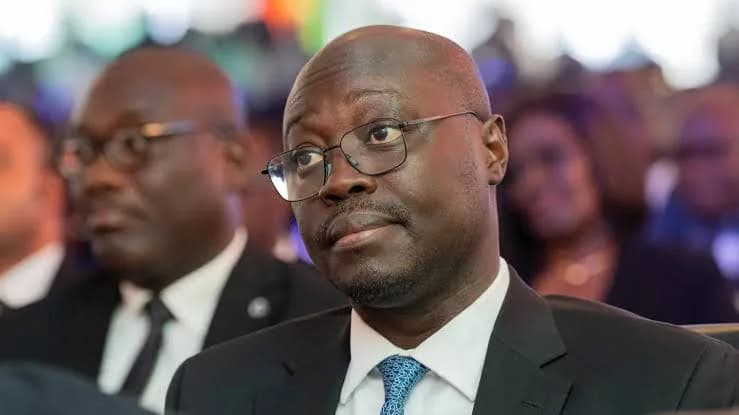
Ghana’s Finance Minister, Dr. Cassiel Ato Forson, has announced that the government is proactively allocating funds to meet a massive GH¢54 billion repayment obligation under the Domestic Debt Exchange Programme (DDEP) due in 2027. During a high-level briefing, the Minister emphasized that establishing these financial buffers is critical to preventing a recurrence of the 2022 debt crisis. This strategic preparation includes a specific focus on a GH¢39 billion payment scheduled for February next year, alongside regular settlements already underway. In 2026, the government has already demonstrated its commitment to fiscal discipline by paying GH¢10 billion in February, with an additional GH¢10 billion payment planned for August.
The broader debt profile of the country shows a complex but stabilizing landscape. As of February 2026, Ghana’s total debt stock stood at GH¢674.1 billion, representing 42.2% of GDP. Of this, domestic debt accounted for GH¢360.4 billion, while external debt stood at GH¢313.6 billion. A significant 42.4% of the external debt is held by multilateral creditors, providing some stability compared to commercial loans. The government has also made significant strides in meeting international obligations, highlighting the successful payment of US$1.4 billion in Eurobond debt and the restructuring of bilateral and commercial credit shares to ensure long-term sustainability.
After eighteen months of rigorous fiscal consolidation, the government is now preparing to transition toward a growth-oriented economic strategy. Dr. Forson indicated that within the next six months, the administration will pivot from strict fiscal adjustments to policies that prioritize job creation and industrial expansion. This shift is intended to build on the foundation laid by recent unpopular but necessary reforms. The Minister cautioned, however, that while the focus is moving toward growth, the government must remain vigilant against excessive borrowing to protect the progress made in stabilizing the national economy.
Supporting this economic reset, Vice President Professor Naana Jane Opoku-Agyemang has called for enhanced collaboration between public institutions to ensure fiscal discipline translates into tangible benefits for citizens. As part of this inclusive growth strategy, the government announced the forthcoming establishment of the Women’s Development Bank. This initiative is designed to improve financial access for women-led businesses and small-scale enterprises, which are viewed as the backbone of the country's emerging economic recovery. The administration maintains that these combined efforts in debt management and social investment will secure Ghana's path to sustainable prosperity.
This story touches markets covered on Anansi Intelligence ↗.
More from business
Continue exploring similar stories


