••
Dr. Cassiel Ato Forson and Emmanuel Armah-Kofi Buah Top 6th Ghana Ministers of State Excellence Honours
•3 min read•8 sources
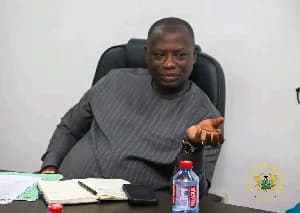
The 6th Ghana Ministers of State Excellence Honours recently recognized high-performing public officials for their contributions to governance, with Dr. Cassiel Ato Forson and Emmanuel Armah-Kofi Buah receiving the event's top accolades. Dr. Forson, the Minister for Finance, was named the Best Performing Minister for his management of the nation’s economic and fiscal affairs. Meanwhile, Emmanuel Armah-Kofi Buah, the Minister for Lands and Natural Resources and MP for Ellembelle, was honored as the Overall Best Male Performing Minister. The ceremony, held at the La Palm Royal Beach Hotel in Accra, aimed to celebrate innovation and impactful leadership within the public sector to encourage higher standards of national development.
Several other officials were also recognized during the ceremony for their dedicated service. Linda Ocloo was named Best Regional Minister, while Rita Akosua Adjei Awatey and Dorcas Affo-Toffey received awards for Best Performing Female Minister and Best Deputy Minister, respectively. Mr. Buah’s recognition was specifically tied to his tenure's reforms in the mining sector and environmental protection efforts, including the Blue Water Initiative, the Cooperative Mining Scheme, and the Tree for Life Programme. In his acceptance speech, Buah dedicated the award to his ministry teams and the people of Ghana, reaffirming a commitment to sustainable resource management for future generations.
Despite the celebration of these achievements, the culture of public service awards has come under scrutiny. Prof. Michael Kpessa-Whyte, Director-General of SIGA, has raised significant concerns regarding the integrity of such recognitions, particularly those that may involve financial transactions for participation. Kpessa-Whyte argued that genuine honor should be rooted in merit and transparent evaluation rather than transactional schemes. He urged public officials to focus on meaningful service and accountability, suggesting that the true measure of leadership is the positive impact made on society rather than accolades received at ceremonies.
This call for higher standards in public service aligns with a broader critique of Ghana's fiscal management and its "lazy dependence" on the Consolidated Fund. Financial analysts note that the public sector frequently defaults to taxpayer funding for development projects, ignoring alternative models like private capital or user fees. Currently, approximately 44% of tax revenue is consumed by public sector wages, leaving limited resources for essential infrastructure. Experts argue for a shift in mindset where the government acts as a regulator rather than a primary funder, encouraging innovative financing structures to reduce the burden on taxpayers and ensure the long-term viability of national projects.
This story touches markets covered on Anansi Intelligence ↗.
More from politics
Continue exploring similar stories


